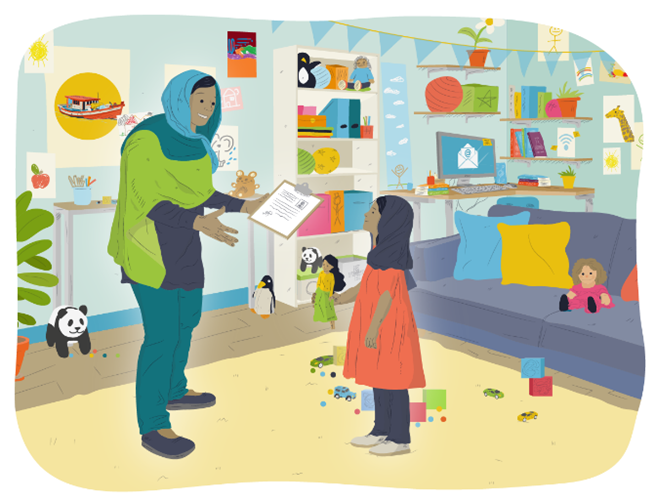


Are you under 18?
If you are under 18, this page is for you!
You will find information about services for children and young people who have had to leave their home country and are now in Libya.
Who is a refugee?
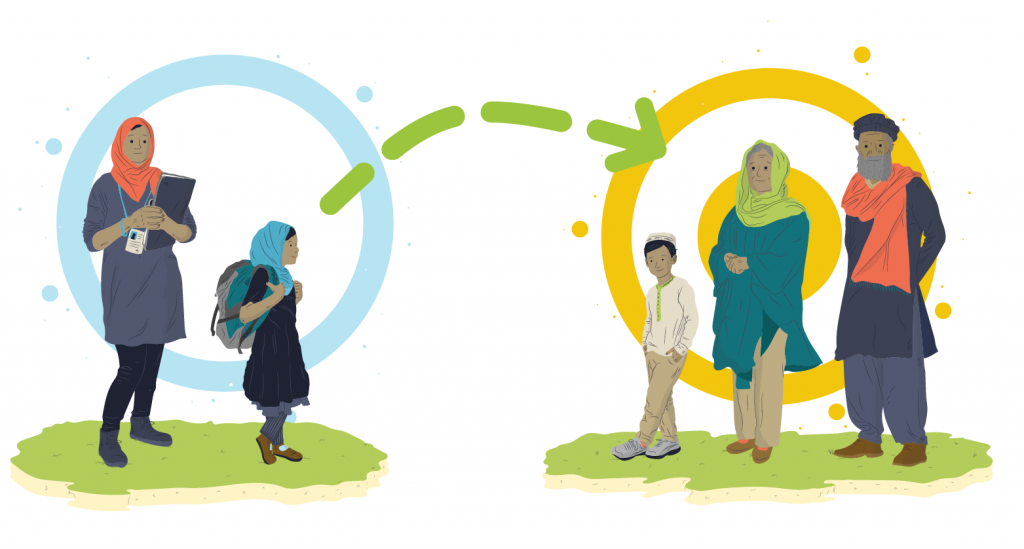
Refugees are ordinary people who lived through extraordinary times. In the country they lived in, conflict or persecution had put them at risk. They had no other choice but to flee. Refugees are therefore no longer in their own country and have crossed at least one border. Ongoing conflict may put them at risk if they return, or they are at risk of harm because of their nationality, race or sexual orientation or because they associate with a religion, a social group, or a political opinion. There are international laws to protect refugees, and they cannot be sent back to their countries if it puts them at risk.
To learn more about refugees and UNHCR in Libya, you can watch our video.
How can I register with/approach UNHCR?
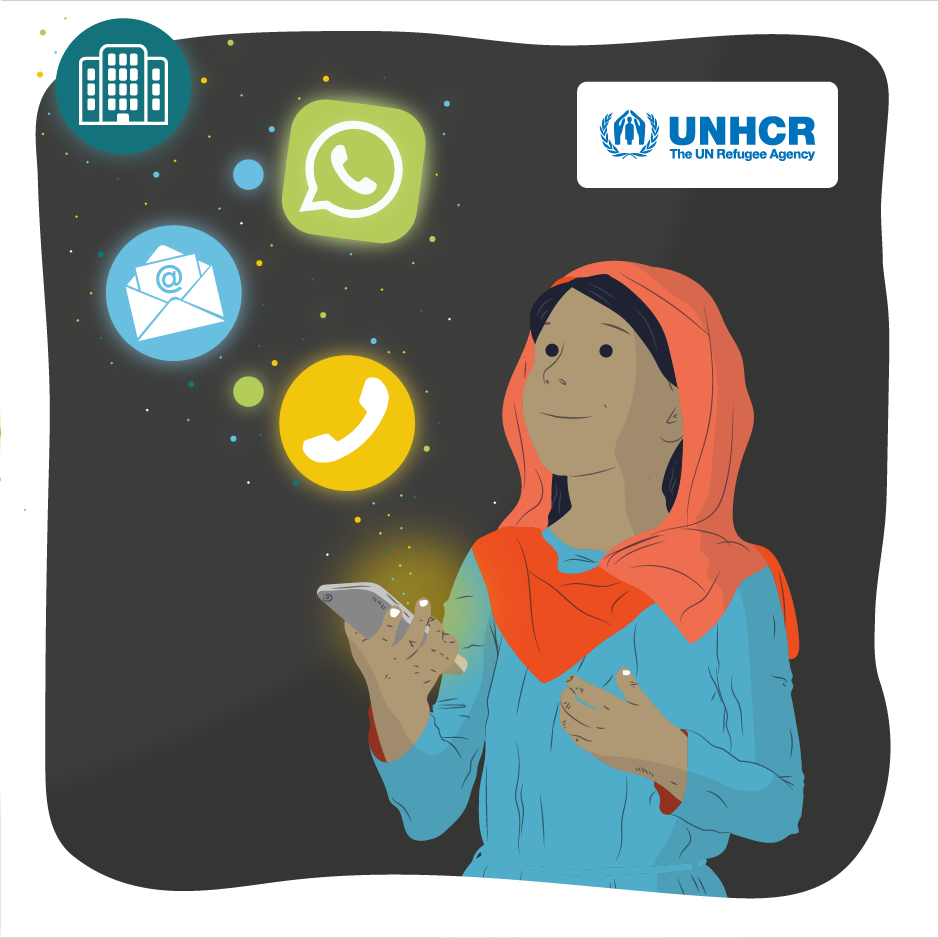
If you are in Libya with your family, it may be a good idea to talk to your parents or a trusted adult first, but you can also contact us on your own. If you want to register with us, you first need to book an appointment. You can call our registration hotline at 0911633466 or WhatsApp 0910019417 and 0917129750. The person on the line will ask you a few questions, including your name, date of birth, and where you were born. When you come to the interview, you should bring with you all your documents, if you have any, including your passport, ID card, birth certificate, etc.
Do not be afraid to present any documentation you have, as this is important.
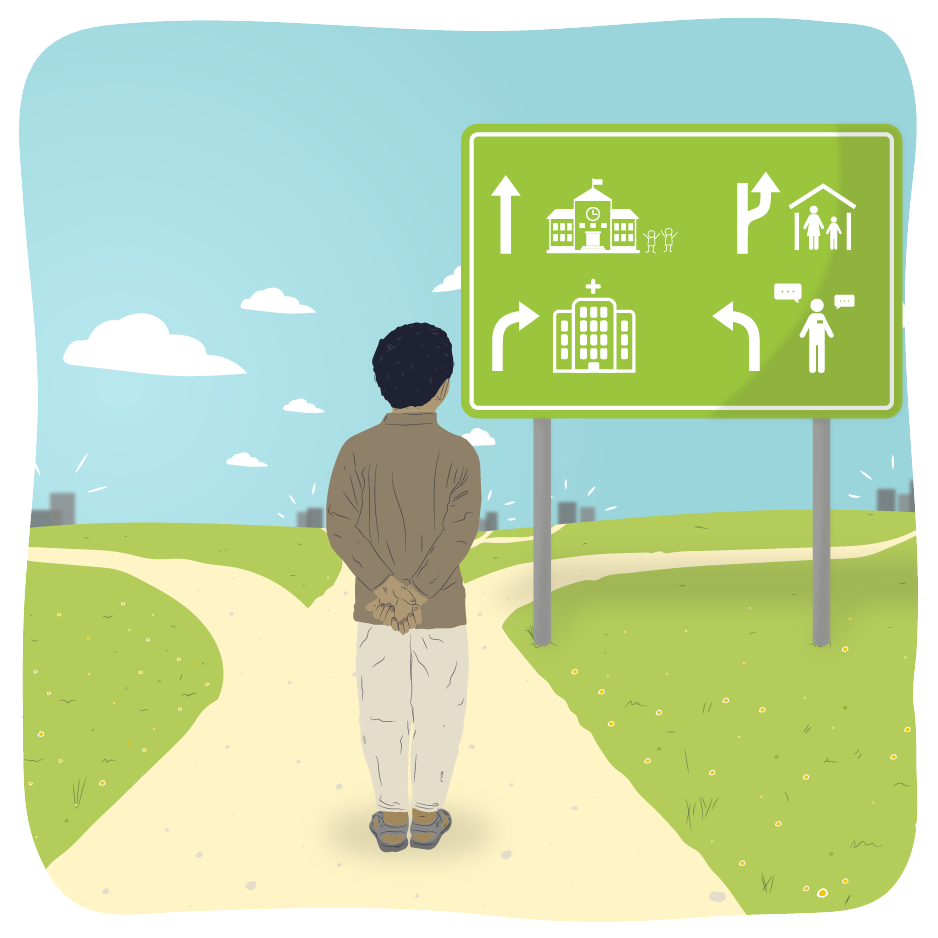
I am on my own in Libya, and I need help. What can UNHCR do for me?
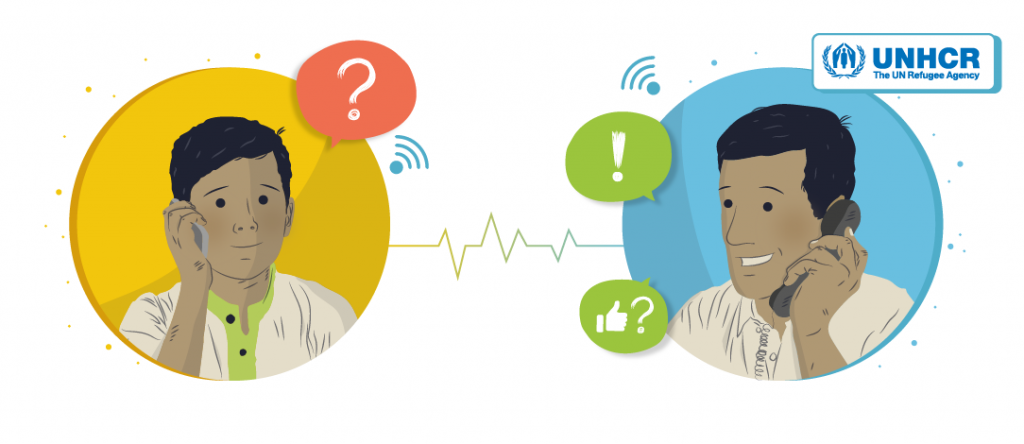
You first need to register with UNHCR – you can check above about how to do that. Once you do, depending on your needs, we can help you in several ways. You need to contact us at the hotline listed below to explain your situation and what assistance you think you need, and we will tell you what to do. Here is the number you can call:
UNHCR Call center: 1504 (From Sunday to Thursday 09:00-11:00) – It is a country-wide phone line for you to obtain information on humanitarian programmes, voice your complaints and provide feedback. According to your needs, you can also be referred to the relevant humanitarian organizations.
I am a child who is alone in Libya, but I have family members in another country whom I want to join. Can UNHCR help me? ?✈️
It is important for a child to remain with his/her family as much as possible. If you contact UNHCR, we will do our best to help you. We will try to find and establish contact with your family. We will also try to unite you with your family; however, procedures are different from country to country. Please reach us through the UNHCR Call center: 1504 (From Sunday to Thursday 09:00-11:00). You can also find more information ➡️here.
Someone has hurt me, or I am afraid that they will. What should I do?
No one has the right to abuse, neglect or mistreat any child – not even their parents, relatives, or teachers. If someone has hurt you or touched you in a way that makes you feel uncomfortable, or if you are afraid that someone will, there are organizations that can help you. If you contact UNHCR, we will do our best to help you. You can reach us at the numbers below:
UNHCR Call center: 1504 (From Sunday to Thursday 09:00-11:00)
If you have experienced any form of violence that requires you to see a doctor immediately, you can contact:
I am not going to school right now, but I would like to. How can I get help to go to school?
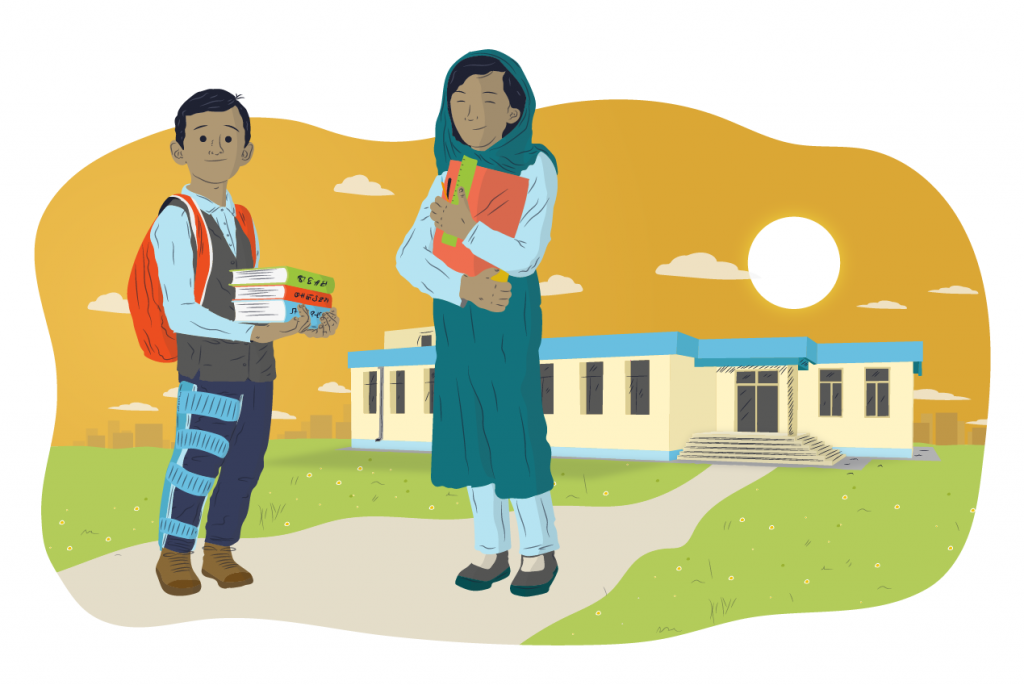
Every child has a right to go to school, and UNHCR may be able to help you by referring you to UNICEF. Through them, it might be possible to register you in public schools; however, public schools’ capacity and the requested documentation by the local authorities might be an obstacle to enrollment. In this case, UNICEF might be able to assist you in enrolling in non-formal education in Baity centres run by UNICEF. You can contact us as we explained above, and we will guide you through the process. Please reach us through the UNHCR Call center: 1504.
I have had bad experiences during my journey. I feel sad, angry, worried, scared, or confused. Is this normal?
It is normal to feel upset after having to leave your country and see or experience so many terrifying things. You may have difficulty putting things that you saw or experienced out of your mind. You may be separated from people you love and worried about them or about what will happen next. You may feel like nothing is familiar. Some simple things to try that may help you cope with this difficult situation. If you are with your parents or have someone around you who you can trust, talk to them about how you are feeling.
If you have experienced any form of violence that requires you to see a doctor immediately, you can contact: 1504