



Protection services
All services provided by UNHCR and our partner organizations are free of charge!
Refugee community leaders and community-based structures, such as committees, groups or clubs, have no role in facilitating or influencing your access to services and assistance provided by UNHCR and partners.
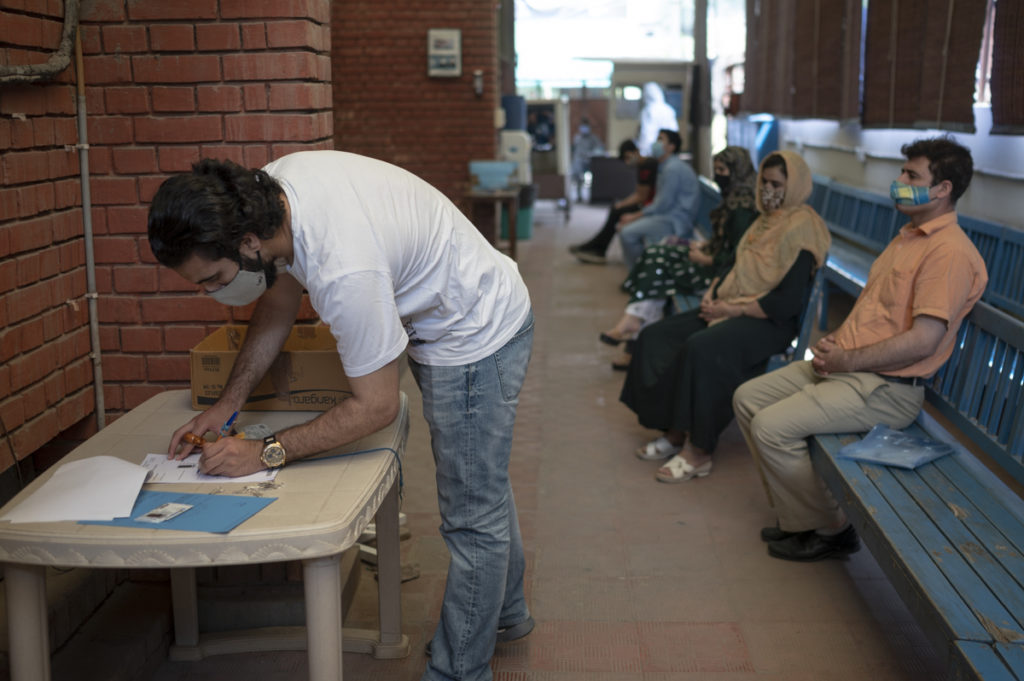
Protection Services available in India:
One-Time Emergency Cash Assistance is provided to a limited number of individuals in situations of heightened protection needs.
How does cash assistance work?
Refugees and asylum seekers with vulnerabilities – identified through various channels of engagement – are individually assessed for eligibility for cash assistance based on established criteria. One-time cash assistance is then provided to the most vulnerable refugees and asylum seekers who are determined to have met the specific eligibility criteria.
Gender-based violence denies individuals their human dignity and undermines human development. UNHCR India is committed to ending GBV, protecting women and children from harm and upholding the human rights of forcibly displaced persons.
In addition to supporting women and children, UNHCR works with male survivors of sexual violence and survivors with diverse sexual orientations and gender identities (SOGI).
Responding to and Preventing GBV
Refugee communities play a crucial role in protecting women and children. Silence is not the answer. Everyone in the community has a responsibility to create a safe and supportive environment and help prevent gender-based violence.
Community members should:
- Listen to the survivor and respect their privacy.
- Avoid blaming or judging the survivor.
- Not discuss the incident publicly.
- Not report the incident without the consent of the survivor.
- Not condone silence.
Supporting survivors, including children
- UNHCR partners can help refer survivors to health, security, legal and psychosocial support services.
- Survivors can also directly reach out to the below helplines for services, available 24/7 across all locations in India:
- 1098 – Childline helpline for children in distress, providing immediate support and access to police assistance.
- 1091 –Women’s helpline to provide women in distress with immediate access to police assistance.
- 011-24373737 / 91-7838957810 – Shakti Shalini helpline offering support and assistance to survivors of gender-based violence.
- 181 – Women’s helpline run by the Ministry of Women and Child Development connecting survivors with police, One Stop Centres, hospitals, and legal services.
- 14490 – Women’s helpline run by the National Commission for Women offering counseling and guidance while connecting women with police, hospitals, and legal services.
- 102 -Ambulance
- 100 – Police
UNHCR and partners advocate for the inclusion of refugees and asylum-seekers in national services, including healthcare. UNHCR encourages community-led initiatives, including youth groups, to facilitate hospital visits for vulnerable community members, including through interpretation services.
UNHCR and partners advocate for the inclusion of refugees and asylum seekers in national services, including education.
- UNHCR encourages community-led initiatives, including youth groups, to support the community with bridge and tuition classes.
- For Education Support Letters, kindly reach out to our partner organizations: BOSCO/ ACTION AID/ MARI/ ADRA/ DAJI
- For NIOS admissions and examinations across all locations in India, please reach out to BOSCO.
Refugee youth in India can apply for the DAFI (Albert Einstein German Academic Refugee Initiative) scholarship programme. It offers qualified refugee students the possibility to earn an undergraduate degree in their country of asylum. Through the dedicated support of the Government of Germany, Denmark, UNHCR and private donors, the programme has supported over 21,500 young refugees to undertake tertiary studies since 1992. To learn more, please contact BOSCO or the partner in your area.
DAFI scholarships are awarded for a maximum of four years of study at bachelor or equivalent levels in higher education institutions including nationally accredited Technical and Vocational Education and Training (TVET) programmes lasting a minimum of two years. Master level study is not supported. The scholarship contributes towards the cost of the fees, study materials as well as a subsistence allowance to cover living, transport and other costs associated with a higher education programme. There are no charges for the forms or for any of the processes.
Eligibility Criteria
• Valid refugee card holder
• Age of 28 or younger at the start of your studies. (Exceptions may apply if bachelor study was
started in the home country but studies were interrupted, or challenges due to a specific factor
such as parenting/childcare responsibilities, disability, etc.)
• Completion of high school and availability of original documents for verification (provide
reasons in case original documents are not available)
• Applicants should have receipt of the College/TVET admission.
• Above average results in high/secondary school
• Good knowledge of the language of instruction in the College/TVET
• Not currently receiving a scholarship from another source
• Strong motivation to contribute to the community through leadership, volunteering,
community service, mentoring and community development
• Admission for a first college degree at a government/recognized university/ college/ polytechnic or TVET (e.g. B. Com, B.Sc. or higher diploma)
• One scholarship per family (generally excludes siblings of current/former scholars).
• Applicants with advanced voluntary repatriation/ resettlement or complementary pathways
• Sponsorship cases are requested not to apply for DAFI, so that the limited slots can benefit
those who do not have this option
• Only those committed to completing courses need apply- dropping out of courses wastes
resources, and risks reduced funding in future
• Scholarship slots under DAFI are announced in the second half of the year
UNHCR is committed to utilizing all available resources and mobilizing relevant stakeholders to ensure the protection of refugees and asylum seekers in India. To this end, UNHCR engages with the Government of India to advocate for the regularization of stay for refugees and asylum seekers through the grant of residential permits and stay visas. UNHCR and partners also advocate for the recognition of documentation issued by UNHCR to asylum seekers and refugees, and for the issuance of government documentation to those registered with UNHCR India.
UNHCR and partners consistently engage with authorities to seek protection for refugees and asylum seekers from detention, deportation or forced return. On-going advocacy efforts at central, state and local levels emphasize the importance of non-penalization of refugees and asylum seekers for irregular entry or stay. UNHCR and partners also regularly undertake sensitization activities with law enforcement agencies and other authorities to enhance the protection environment for refugees and asylum seekers.
UNHCR urges all refugees and asylum-seekers to abide by the law, and refrain from any conduct that may draw adverse attention from authorities or contribute to negative perceptions about refugees.
LTV Support Letters
To request an LTV support letter, please contact us at: [email protected]
1. Partner Presence and Services:
• BOSCO and ADRA in Delhi, Action Aid in Jammu, Dera Bassi and Mewat, MARI in Hyderabad, ADRA in Bangalore, DAJI in Jaipur
• Presence of Liaison Officer in Mewat (Action Aid), Jaipur (DAJI), Bangalore (ADRA) and Pune (ADRA):
• This staff member will coordinate closely with UNHCR and support the community with registration and documentation renewals, advocacy with local authorities to facilitate access to health and education services and extend support to Refugee-Led Initiatives.
• Assistance through partners:
• Livelihood assistance will be prioritized including vocational training, small business grants, and job placement.
• Limited food assistance will be provided in the first quarter to a very small number of refugees and asylum seekers based on vulnerability criteria agreed with the donor.
• Cash assistance (SA) has been deprioritized; therefore, regular/monthly cash assistance will not be provided. Only one time emergency cash support of INR 5,000 will be available for a limited number of individuals.
• Health support has been deprioritized, hence no cash assistance for medical consultations, tests or investigations and no provision of generic medicines and no MRC. Partners will focus on advocacy for inclusion in national services.
• Refugee-led initiatives, including youth leaders, are encouraged to provide interpretation support in hospitals.
• Partners will support admission to government schools. There will be no provision of school fees, uniforms, stationery, or partner run learning centers.
• Refugee-led initiatives are encouraged to support bridge/tuition classes.
• BOSCO will support NIOS admission and examinations across India.
• DAFI scholarships will continue.
2. Registration
• UNHCR uses registration data to identify specific needs, prevent refoulement and arbitrary detention, and facilitate access to services and durable solutions.
• For registration and document related queries, please write to [email protected]
• Refugees and asylum seekers have access to the same essential services offered by the Government, UNHCR and partners.
• Refugees and asylum seekers will now require email to access some services such as the My Services application, as part of the Digital Gateway which is UNHCR’s global platform to expand digital services for refugees and asylum seekers. For example, refugees and asylum seekers can access information more easily and use this platform to update their own information with UNHCR, such as their phone number.
3. RSD
• UNHCR only conducts RSD for asylum seekers in a highly vulnerable situation, in particular those in detention or at risk of forced return. The criteria will be applied across all asylum seekers, no matter the country the asylum seeker is from.
• Some asylum seekers who have already been interviewed or have filed an appeal application will receive decisions in a gradual manner in 2026 on their applications. This is going to take some time, especially given the reduction in staff capacity. Decisions will be released for some who have already undergone interviews or filed appeals. Some cases may take more time due to individual circumstances. Unfortunately, this may mean that not all who have already undergone RSD interviews or filed appeals will receive results on their applications.
• There will be no RSD counselling from 01 January 2026.
4. Resettlement
• The U.S. Refugee Admissions Program (USRAP) remains suspended, and as a result, Resettlement opportunities to the US are not forthcoming. In addition to this, UNHCR India has received very few resettlement quotas for 2026. This means fewer refugees will be submitted for resettlement consideration in 2026.
• The decisions of governments influence the availability of RST opportunities, and UNHCR’s role is to advocate for these opportunities. UNHCR will continue advocacy efforts both locally and globally to support those in need. Regarding the resubmission of cases previously submitted to the US, given the number of pending cases and limited quotas it is not feasible to resubmit all cases elsewhere.
• Refugees are encouraged to not pin all hopes on RST but explore complementary pathways. Similarly, if somebody wants to return to their country, they can reach out for counselling and other support from UNHCR.
• There will be no in-person Resettlement counselling in Vikaspuri.
• For more information on resettlement, please visit https://help.unhcr.org/india/ Resettlement
5. Complementary pathways
• As Welcome Corps falls under USRAP, no new Welcome Corps applications will be accepted, and earlier applications are not being processed.
• Canada is not accepting new Private Sponsorship applications under the Group of Five and Community Sponsorship programs until December 2026; however, they will continue to process applications already submitted under the PSR program. Applications continue to be open for Sponsorship Agreement Holders (SAHs) to sponsor refugees and asylum seekers to Canada.
• The Economic Mobility Pathways Pilot (EMPP) to Canada is now closed to new applications. Applications that have already been submitted to IRCC will continue to be processed.
• Complementary Pathways is still the best solution, as it provides multiple other avenues that allow refugees to emigrate. UNHCR India will continue to explore and jointly develop newer protection-sensitive complementary pathways and disseminate information to the communities. The skills and qualifications-based pathways being implemented by UNHCR india that include the Refugee Students Settlement Pathway (RSSP) to Australia, the University Corridors to Italy (UNICORE) and the University Corridors to France (UNIV’R), Talent Beyond Boundaries (TBB) and through Robo Co-op Japan will continue. We will duly share the calls for applications through our partners, community messaging, and our social media channels to invite eligible applicants.
• The UNHCR-Coursera partnership has been renewed, and refugees and asylum seekers in India may use this link to receive the invitation to join the Coursera Learning Platform for free: https://enketo.unhcr.org/x/wevoEW2x
• On private and community sponsorships, since these applications are individual led processes adjudicated independently by third country governments, UNHCR is not involved in the processing of these applications. In the past, we have followed up on applications under processing directly with individual embassies. However, due to limited capacity, we are unable to continue this practice moving forward. Should embassies reach out to us for clarification, we will provide the necessary information after obtaining consent from the applicants. We cannot influence the decisions, nor can we expedite these processes.
• UNHCR India in collaboration with ADRA India is providing assistance to refugees and asylum seekers who have eligible family members in third countries to access legal assistance and counselling for family reunification through our Family Reunification Navigation Assistance Initiative (FRUN). Eligible applicants may contact ADRA India through email at [email protected] or by phone at: 011-45705611 for more information. Applicants who had previously reached out to UNHCR India for FR assistance are requested to kindly reshare their requests with ADRA India while marking UNHCR’s complementary pathways mailbox.
• In case you require any more information on Complementary Pathways, please visit the UNHCR India Help page https://help.unhcr.org/india/Complementary Pathways or write to us at [email protected].
6. Legal Issues:
• UNHCR consistently engages with authorities to seek protection from deportation, detention, and forced return. Regular advocacy efforts are made at the national level and state and local level with the relevant authorities together with partners.
• UNHCR and partners continue to closely coordinate with lawyers for appropriate interventions and simultaneously reaching concerned authorities such as police, FRRO for the release of those detained.
• If you face a threat of detention or are asked to leave India or are informed that you will be deported, please contact UNHCR’s partner in your location or ADRA at 011-45705651.
• UNHCR requests all refugees and asylum-seekers to abide by the law, and to not engage in any conduct which brings them and their communities to the adverse attention of authorities.
• UNHCR advises you to approach the police in the event of any security threat. You can call emergency number 112 for immediate support from the police or 1091 for the women’s helpline or 1098 for the ChildLine.
• In case you wish to seek advice on your legal concerns, please contact UNHCR’s partner in your location or ADRA at 011-45705651. UNHCR and partners will work together to address your concerns to the extent possible.
7. Communication with Communities
• Partners will regularly meet Community-Based structures across India and follow up on individual cases.
• UNHCR will continue meeting various community-based structures to discuss community issues including during missions outside of Delhi.
• No individual protection/RSD/RST counselling will be conducted by UNHCR staff at the Vikaspuri registration center.
• UNHCR cannot receive any individual letters or respond to individual mails.
• All updated information on UNHCR and its services is available on help.unhcr.org/India.
UNHCR continues to advocate for recognition of UNHCR-issued documentation and inclusion of refugees in national services and schemes.
Anti-Fraud Messages
All services provided by UNHCR and its NGO partners are free of charge.
- Always ask for an official UNHCR ID-card from anyone offering assistance with UNHCR-related services.
- Ensure that all documents you present to UNHCR are genuine. If you suspect otherwise, inform us immediately.
- If anyone requests money in exchange for UNHCR services, or if you have paid for such services, report the incident immediately through the formal channels.
If you have information about UNHCR staff, or staff of UNHCR partners or contractors involved in fraud, misconduct, exploitation (including sexual exploitation), or sexual abuse, report it immediately and directly to UNHCR’s Inspector-General’s Office (IGO) at its headquarters in Geneva, Switzerland. UNHCR takes all complaints seriously and follows up on each individual complaint. IGO: [email protected]
Refugee community leaders and community-based structures, such as committees, groups or clubs, have no role in facilitating or influencing access to services and assistance provided by UNHCR and Partners.
To report fraud or exploitation committed by a refugee or community leader, you can fill out the on-line ‘Complaint Form’ on https://help.unhcr.org/india/reporting-fraud-exploitation-or-abuse/ OR email your complaint to UNHCR India at: [email protected] - UNHCR takes all complaints seriously and follows up on each case individually
- Filing a complaint will not impact your case with UNHCR
- Complaints can be submitted anonymously
- Please provide all facts and evidence known to you
- All communication with UNHCR is kept confidential
- All communication with IGO is kept confidential
26 فبراير 2026
رسائل مجتمعية: تغييرات في برامج وخدمات المفوضية السامية للأمم المتحدة لشؤون اللاجئين في عام 2026
- حضور الشركاء وخدماته م:
في بنغالور، ADRA ، في حيدر أباد MARI ، في جامو، ديرا باسي وموات Action Aid ، في دلهي ADRA و BOSCO
في جايبو ر DAJI
: (ADRA) وبونا ( ADRA) بنغالور ،( DAJI) جايبور ،( Action Aid) وجود ضابط اتصال في ميوات
سيقوم هذا الموظف بالتنسيق بشكل وثيق مع المفوضية السامية للأمم المتحدة لشؤون اللاجئين ودعم المجتمع في
التسجيل وتجديد الوثائق، والتواصل مع السلطات المحلية لتسهيل الوصول إلى الخدمات الصحية والتعليمية،
وتقديم الدعم للمبادرات التي يقودها اللاجئو ن.
المساعدة من خلال الشركا ء:
ستُعطى الأولوية للمساعدة في سبل العيش، بما في ذلك التدريب المهني، والمشاريع الصغير ة.منح الأعمال، وتوفير
فرص العم ل.
سيتم تقديم مساعدات غذائية محدودة في الربع الأول لعدد قليل جداً من اللاجئين وطالبي اللجوء بناءً على معايير
الضعف المتفق عليها مع الجهة المانحة.
تم تخفيض أولوية المساعدات النقدية؛ لذا لن تُقدّم مساعدات نقدية منتظم ة/شهري ة. وسيُتاح دعم نقدي طارئ لمرة واحدة
فقط بقيمة 5000 روبية هندية لعدد محدود من الأفرا د.
تم تهميش الدعم الصحي، وبالتالي لا توجد مساعدات نقدية للاستشارات الطبية أو الفحوصات أو التحقيقات، ولا يتم
توفير الأدوية الجنيسة ولا يوجد دعم طب ي. سيركز الشركاء على الدعوة إلى إدراج هذه الخدمات ضمن الخدمات
الوطني ة.
يتم تشجيع المبادرات التي يقودها اللاجئون، بما في ذلك قادة الشباب، على تقدي مخدمات الترجمة الفورية في
المستشفيات.
سيدعم الشركاء عملية الالتحاق بالمدارس الحكومية. ولن يتم توفير أي رسوم دراسية أو زي مدرسي أو أدوات
مكتبية أو مراكز تعليمية يديرها الشركاء.
يتم تشجيع المبادرات التي يقودها اللاجئون على دعم دروس الجس ر/الدروس الخصوصي ة.
في جميع أنحاء الهند. NIOS عملية القبول والامتحانات في BOSCO ستدعم
الدراسي ة. DAFI ستستمر منح - تسجي ل
تستخدم المفوضية السامية للأمم المتحدة لشؤون اللاجئين بيانات التسجيل لتحديد الاحتياجات المحددة، ومنع الإعادة القسرية
والاحتجاز التعسفي، وتسهيل الوصول إلى الخدمات والحلول الدائمة.
[email protected]: للاستفسارات المتعلقة بالتسجيل والوثائق، يرجى مراسلتنا على العنوان التال ي
يتمتع اللاجئون وطالبو اللجوء بإمكانية الوصول إلى نفس الخدمات الأساسية التي تقدمه االحكومة، والمفوضية السامية للأمم
المتحدة لشؤون اللاجئين، والشركاء.
سيحتاج اللاجئون وطالبو اللجوء الآن إلى البريد الإلكتروني للوصول إلى بعض الخدمات، مثل تطبيق “خدمات ي”، وذلك ضمن
“البوابة الرقمية”، وهي المنصة العالمية التابعة للمفوضية السامية للأمم المتحدة لشؤون اللاجئين لتوسيع نطاق الخدمات
الرقمية المقدمة لهم. فعلى سبيل المثال، يُمكن للاجئين وطالبي اللجوء الوصول إلى المعلومات بسهولة أكبر، واستخدام هذه
المنصة لتحديث بياناتهم الشخصية لدى المفوضية، كرقم هاتفهم مث لاً.
تحديد وض ع اللاجئ ) ) RSD .3
لا تُجري المفوضية السامية للأمم المتحدة لشؤون اللاجئين تقييم وضع اللاجئ إلا لطالبي اللجوء الذين يعيشون في وضع شديد
الهشاشة، ولا سيما المحتجزين أو المعرضين لخطر الإعادة القسري ة. وسيتم تطبيق المعايير على جميع طالبي اللجوء، بغض
النظر عن بلدهم الأصلي.
سيتلقى بعض طالبي اللجوء الذين سبق إجراء مقابلات معهم أو قدموا طلبات استئناف قرارات بشأن طلباتهم تدريجيًا خلال عام
2026 . سيستغرق هذا بعض الوقت، لا سيما مع انخفاض عدد الموظفين. وسيتم الإعلان عن القرارات لبعض من خضعوا
بالفعل للمقابلات أو قدموا طلبات استئناف. قد تستغرق بعض الحالات وقتًا أطول نظرًا لظروفها الفردية. لسوء الحظ، قد يعني
هذا أن ليس كل من خضعوا لمقابلات تحديد وضع اللاجئ أو قدموا طلبات استئناف سيتلقون نتائج بشأن طلباتهم.
تحديد وض ع اللاجئ ) ) RSD لن يكون هناك أي استشارات متعلقة
. اعتبارًا من 1 يناير 2026
4 إعاد ة التوطي ن
معلقًا، ونتيجة لذلك، لا تتوفر فرص إعادة التوطين في الولايات (USRAP) لا يزال برنامج قبول اللاجئين في الولايات المتحدة
المتحد ة. إضافة إلى ذلك، لم تستقبل المفوضية السامية للأمم المتحدة لشؤون اللاجئين في الهند سوى عدد قليل جدًا من اللاجئين
لإعادة التوطي ن.حصص عام 2026 . وهذا يعني أنه سيتم تقديم عدد أقل من اللاجئين للنظر في إعادة توطينهم في عام
. 2026
تؤثر قرارات الحكومات على توافر فر ص إعاد ة التوطي ن ، ويتمثل دور المفوضية السامية للأمم المتحدة لشؤون اللاجئين في
الدعوة إلى توفير هذه الفر ص. وستواصل المفوضية جهودها في هذا الصدد.
الجهود المبذولة محليا وعالمياً لدعم المحتاجي ن. بخصوص إعادة التقدي مبالنظر إلى عدد القضايا المعلقة والحصص المحدودة، فإنه
من غير الممكن إعادة تقديم جميع القضايا إلى جهات أخرى، وذلك فيما يتعلق بالقضايا التي تم تقديمها سابقاً إلى الولايات
المتحدة.
يُنصح اللاجئون بعدم الاعتماد كليا على برنامج إعادة إعاد ة التوطي ن ، بل استكشاف مسارات بديلة. وبالمثل، إذا رغب أي
شخص في العودة إلى بلده، فيمكنه طلب المشورة والدعم من المفوضية السامية للأمم المتحدة لشؤون اللاجئين.
لن تُعقد جلسات استشارية لإعادة التوطين حضوريا في فيكاسبور ي.
/ https://help.unhcr.org/india للحصول على مزيد من المعلومات حول إعادة التوطين، يرجى زيارة
5 مسارا ت تكميلي ة
فلن يتم قبول أي طلبات جديدة لبرنامج ،USRAP يندرج تحت برنامج Welcome Corps بما أن برنامج . a
ولن تتم معالجة الطلبات السابقة. ،Welcome Corps
Community و Group of Five لا تقبل كندا طلبات رعاية خاصة جديدة ضمن برامج .b
حتى ديسمبر 2026 ، لكنها ستواصل معالجة الطلبات التي تم تقديمها سابقا ضمن برنامج Sponsorship
لرعاية اللاجئين وطالبي اللجوء إلى كندا تم (SAHs) ولا تزال الطلبات مفتوحة لحاملي اتفاقيات الرعاية .PSR
إلى كندا مغلق الآن أمام EMPP إغلاق باب التقديم لبرنامج مسارات التنقل الاقتصادي التجريبي إلى كندا. برنامج
ستستمر معالجته ا. IRCC الطلبات الجديدة. الطلبات التي تم تقديمها بالفعل إلى
لا تزال المسارات التكميلية هي الحل الأفضل لأنها توفر طرقاً متعددة أخرى تسمح للاجئين بالهجرة. ستواصل .c
المفوضية في الهند استكشاف وتطوير مسارات تكميلية جديدة ومشاركة المعلومات مع المجتمعات. وتشمل
المسارات القائمة على المهارات والمؤهلات التي تنفذها المفوضية في الهند :
، (RSSP) مسار توطين الطلاب اللاجئين إلى أستراليا .d
،(UNICORE) الممرات الجامعية إلى إيطاليا .e
،(UNIV’R) الممرات الجامعية إلى فرنسا .f
، Talent Beyond Boundaries (TBB) .g
في اليابان . Robo Co-op وبرنامج .h
وسيتم نشر دعوات التقديم من خلال الشركاء والرسائل المجتمعية ووسائل التواصل الاجتماعي . . i
ويمكن للاجئين وطالبي اللجوء في الهند استخدام الرابط التالي Coursera تم تجديد الشراكة بين المفوضية و * . j
للحصول على دعوة للانضمام إلى منصة كورسيرا التعليمية مجانا :
. https://enketo.unhcr.org/x/wevoEW2x .k
تم تجديد الشراكة بين المفوضية السامية للأمم المتحدة لشؤون اللاجئين ومنصة كورسيرا، ويمكن للاجئين وطالبي .l
اللجوء في الهند استخدام هذا الرابط لتلقي دعوة للانضمام إلى منصة كورسيرا التعليمية
https://enketo.unhcr.org/x/wevoEW2x:ً مجان ا
فيما يتعلق بالرعاية الخاصة والمجتمعية، بما أن هذه الطلبات يقودها أفرا دلا تخضع عمليات الفصل فيها بشكل مستقل . m
من قبل حكومات الدول الثالثة، كما أن المفوضية السامية للأمم المتحدة لشؤون اللاجئين ليس ت
يشاركون في معالجة هذه الطلبا ت. في السابق، كنا نتابع الطلبات قيد المعالجة مباشرةً مع السفارات المعني ة. ومع ذلك، .n
بسب بنظراً لمحدودية قدراتنا، لا يمكننا الاستمرار في هذا الإجراء مستقبلا . في حال تواصلت معنا السفارات
للاستفسار، سنقدم المعلومات اللازمة بعد الحصول على موافقة مقدمي الطلبات. لا يمكننا التأثير على القرارات،
ولا تسريع هذه الإجراءات.
في الهند، المساعدة للاجئين ADRA تقدم المفوضية السامية للأمم المتحدة لشؤون اللاجئين في الهند، بالتعاون مع منظمة .o
وطالبي اللجوء الذين لديهم أفراد أسر مؤهلون في دول ثالثة، وذلك للحصول على المساعدة القانونية والاستشارية اللازمة
يمكن للمتقدمين المؤهلين التواصل مع .(FRUN) لجمع شمل الأسر من خلال مبادرة المساعدة في توجيه لم شمل الأسر
أو عبر الهاتف على الرق م: [email protected] في الهن د.عبر البريد الإلكتروني على ADRA منظمة
45705611-011 لمزيد من المعلومات. يُرجى من المتقدمين الذين سبق لهم التواصل مع المفوضية السامية
للأمم المتحدة لشؤون اللاجئين في الهند للحصول على مساعدة في مجال الهجرة إعادة إرسال طلباتهم إلى وكالة
الهند مع الإشارة إلى صندوق بريد المفوضية السامية للأمم المتحدة لشؤون اللاجئين المخصص ADRA
للمسارات التكميلية.
في حال احتجت إلى مزيد من المعلومات حول المسارات التكميلية، يرجى زيارة موقع المفوضية السامية للأمم المتحدة .p
لشؤون اللاجئي ن.صفحة المساعدة الخاصة بالهن د:
أو راسلنا على العنوان https://help.unhcr.org/india/ComplementaryPathways
[email protected]: التالي
6 المسائل القانوني ة:
تتواصل المفوضية السامية للأمم المتحدة لشؤون اللاجئين باستمرار مع السلطات لطلب الحماية من الترحيل . a
والاحتجاز والإعادة القسري ة. وتبذل جهود مناصرة منتظمة على المستوى الوطني ومستوى الولايات والمحليات مع
السلطات المعنية وبالتعاون مع الشركا ء.
تواصل المفوضية السامية للأمم المتحدة لشؤون اللاجئين وشركاؤها التنسيق الوثيق مع المحامين من أجل .b
التدخلات المناسبة، وفي الوقت نفسه التواصل مع السلطات المعنية مثل الشرطة ومكتب تسجيل الأجانب الإقليمي
من أجل إطلاق سراح المحتجزين. FRRO
إذا كنت تواجه خطر الاحتجاز أو طُلب منك مغادرة الهند أو تم إبلاغك بأنك ستُرحّل، فيُرجى الاتصال بمفوضية الأمم المتحدة .c
.45705651- على الرقم 011 ADRA لشؤون اللاجئي ن.شري ك في موقعك أو
تطلب المفوضية السامية للأمم المتحدة لشؤون اللاجئين من جميع اللاجئين وطالبي اللجوء الالتزام بالقانون، وعدم .d
الانخراط في أي سلوك يجلبهم ومجتمعاتهم إلى انتباه السلطات السلب ي.
تنصحكم المفوضية السامية للأمم المتحدة لشؤون اللاجئين بالتوجه إلى الشرطة في حال وجود أي تهديد أمن ي. . e
يمكنكم الاتصال برقم الطوارئ 112 للحصول على دعم فوري من الشرطة أو 1091 ل خط مساعدة النساء أو
1098 لخط مساعدة الأطفا ل.
مكافحة الاحتيالرسائل
جميع الخدمات التي تقدمها المفوضية السامية للأمم المتحدة لشؤون اللاجئين وشركاؤها من المنظمات غير الحكومية مجاني ة.
اطلب دائمًا بطاقة هوية رسمية صادرة عن المفوضية السامية للأمم المتحدة لشؤون اللاجئين من أي شخص يقدم
المساعدة فيما يتعلق بالخدمات المتعلقة بالمفوضية.
تأكد من أن جميع المستندات التي تقدمها إلى المفوضية السامية للأمم المتحدة لشؤون اللاجئين أصلية .إذا
ساورك الشك في ذلك، فأبلغنا على الفور.
إذا طلب أي شخص أموالاً مقابل خدمات المفوضية السامية للأمم المتحدة لشؤون اللاجئين، أو إذا كنت قد دفعت مقابل
هذه الخدمات، فأبلغ عن الحادث على الفور من خلال القنوات الرسمي ة.
إذا كانت لديك معلومات عن موظفي المفوضية السامية للأمم المتحدة لشؤون اللاجئين، أو موظفي شركاء المفوضية أو
المتعاقدين معها المتورطين في الاحتيال أو سوء السلوك أو الاستغلال) بما في ذلك الاستغلال الجنسي (أو الاعتداء
ف ييقع مقرها الرئيسي في (IGO) الجنسي، فأبلغ عنها فور اً وبشكل مباشر إلى المفوضية.م ك تب ا ل م ف تش ا ل ع ا م
جنيف، سويسرا .وتتعامل المفوضية السامية للأمم المتحدة لشؤون اللاجئين مع جميع الشكاوى بجدية وتتابع كل
[email protected]: شكوى على حدة .المنظمات الحكومية الدولية
في حال رغبتكم في طلب المشورة بشأن مخاوفكم القانونية، يرجى الاتصال بمفوضية الأمم المتحدة لشؤون .f
45705651 . ستعمل المفوضية السامية للأمم المتحدة – على الرقم 011 ADRA اللاجئين.شري ك في موقعك أو
لشؤون اللاجئين وشركاؤها معًا لمعالجة مخاوفك قدر الإمكا ن.
7 التواصل مع المجتمعا ت
سيلتقي الشركاء بانتظام مع الهياكل المجتمعية في جميع أنحاء الهند وسيتابعون الأم ر.في الحالات الفردي ة. . a
ستواصل المفوضية السامية للأمم المتحدة لشؤون اللاجئين الاجتماع مع مختلف الهياكل المجتمعية لمناقشة .b
القضايا المجتمعية، بما في ذلك أثناء البعثات خارج دلهي.
أو إعادة التوطين في مركز تسجيل فيكاسبور ي. RSD لن يتم تقديم استشارات فردية بخصوص الحماية أو .c
لا تستطيع المفوضية السامية للأمم المتحدة لشؤون اللاجئين استلام أي رسائل فردية أو الرد على الرسائل الفردي ة. .d
الجمي ع تم التحدي ث معلوم ة عل ى المفوضية السامية للأمم المتحدة لشؤون اللاجئي ن و إن ه خدما ت . e
. help.unhcr.org/India يكو ن متا ح على
تواصل المفوضية السامية للأمم المتحدة لشؤون اللاجئين الدعوة إلى الاعتراف بالوثائق الصادرة عنها وإدراج اللاجئين في
الخدمات والبرامج الوطنية.
لا يضطلع قادة مجتمعات اللاجئين والهياكل المجتمعية، مثل اللجان أو المجموعات أو النوادي، بأي دور في تسهيل أو
التأثير على الوصول إلى الخدمات والمساعدة التي تقدمها المفوضية السامية للأمم المتحدة لشؤون اللاجئين
وشركائها.
للإبلاغ عن الاحتيال أو الاستغلال الذي يرتكبه لاجئ أو زعيم مجتمعي، يمكنك ملء نموذ ج.قم بتحميل ” نموذج الشكوى “عبر
: https://help.unhcr.org/india/reporting-fraud- exploiting-or- الإنترنت على الرابط التالي
أو أرسل شكواك عبر البريد الإلكتروني إلى المفوضية السامية للأمم المتحدة لشؤون اللاجئين في الهند على abuse/
[email protected]: العنوان التالي
تتعامل المفوضية السامية للأمم المتحدة لشؤون اللاجئين مع جميع الشكاوى بجدية وتتابع كل حالة على حد ة.
لن يؤثر تقديم الشكوى على قضيتك لدى المفوضية السامية للأمم المتحدة لشؤون اللاجئي ن
يمكن تقديم الشكاوى بشكل مجهو ل.
يرجى تقديم جميع الحقائق والأدلة المعروفة لدي ك.
جميع الاتصالات مع المفوضية السامية للأمم المتحدة لشؤون اللاجئين تبقى سرية
تبقى سري ة IGO جميع الاتصالات مع
پیامهای اجتماعی: تغییرات در برنامه و خدمات کمیساریای عالی پناهندگان سازمان ملل متحد در سال 2026
1 . حضور و خدمات شرکا:
- باسکو و آدرا در دهلی، اکشن اید در جامو، دره باسی و میوات، ماری در حیدرآباد، آدرا در بنگلور، داجی در جیپور
- حضور افسر رابط در میوات )اکشن اید(، جایپور )داجی(، بنگلور )آدرا( و پونه )آدرا(:
- این کارمندان از نزدیک با UNHCR کار میکنند و به جامعه پناهندهها در ثبت نام و تمدید مدارک شان کمک میکند، همچنین با ادارههای
محلی صحبت میکنند تا پناهندهها راحت تر به خدمات صحی و آموزشی دسترسی داشته باشند و از برنامهها و کارهایی که خود پناهندهها راهاندازی
کردهاند هم حمایت میکنند. - کمک از طریق شرکا:
- کمکهای معیشتی شامل آموزشهای حرفهای، کمکهای مالی برای کسب وکارهای کوچک و کاریابی در اولویت قرار خواهند گرفت.
- در سه ماه اول سال، کمک غذایی محدود فقط به تعداد خیلی کمی از پناهندهها و پناهجوها داده میشود، آن هم بر اساس میزان نیازمندی و آسیب
پذیری که با کمک کننده مالی ) donor ( توافق شده است. - کمک نقدی ) SA ( از اولویت خارج شده است؛ بنابراین، کمک نقدی منظم/ماهانه ارائه نخواهد شد. فقط یک بار کمک نقدی اضطراری به مبلغ
۵۰۰۰ روپیه برای تعداد محدودی از افراد در دسترس خواهد بود. - حمایتهای صحی از اولویت خارج شده است، از این رو هیچ کمک نقدی برای مشاورههای پزشکی، آزمایشها یا تحقیقات ارایه نمیشود،
همچنان دواهای معمولی هم داده نمیشود و کمک طبی ) MRC ( هم وجود ندارد. همکاران )شرکا( تلاش میکنند با پیگیری و صحبت، پناهندهها
شامل خدمات صحی دولتی شوند . • از برنامهها و فعالیتهایی که خود پناهندهها راهاندازی کردهاند )از جمله جوانان رهبر( خواسته میشود که در شفاخانهها در بخش ترجمانی
کمک کنند. - شرکا از پذیرش در مکاتب دولتی حمایت خواهند کرد. هیچ گونه هزینه مکتب، لباس مکتب، قرطاسیه یا مراکز آموزشی تحت مدیریت شرکا،
ارائه نخواهد شد.. - پناهندگان تشویق میشوند که از کلاسهای تقویتی یا جبرانی حمایت کنند.
- BOSCO از پذیرش و امتحانات NIOS در سراسر هند پشتیبانی خواهد کرد.
- بورسیههای DAFI ادامه خواهد یافت.
۲ . ثبت نام - کمیساریای عالی پناهندگان سازمان ملل متحد از معلومات ثبت نام برای شناسایی نیازهای خاص، جلوگیری از اخراج اجباری و بازداشت
خودسرانه و تسهیل دسترسی به خدمات و راهحلهای پایدار استفاده میکند. - برای سوالات مربوط به ثبت نام و مدارک، لطفا به آدرس [email protected] بنویسید.
- پناهندگان و پناهجویان به همان خدمات ضروری ارائه شده توسط دولت، کمیساریای عالی پناهندگان سازمان ملل متحد و شرکا دسترسی دارند.
- اکنون پناهندگان و پناهجوها برای استفاده از بعضی خدمات )برنامه My Services ( باید ایمیل داشته باشند. این برنامه بخشی از سیستم دیجیتالی
UNHCR است که برای آسانتر کردن خدمات آنلاین ساخته شده است. به عنوان مثال، پناهندگان و پناهجویان میتوانند راحتتر به اطلاعات
دسترسی پیدا کنند و از این پلتفرم برای به روزرسانی اطلاعات خود در کمیساریای عالی پناهندگان سازمان ملل متحد، مانند شماره تلفن خود،
استفاده کنند.
۳ . تعیین وضعیت پناهندگی ) RSD ) - کمیساریای عالی پناهندگان سازمان ملل متحد ) UNHCR ( فقط برای پناهجویانی که در شرایط بسیار آسیبپذیر هستند، به ویژه آنهایی که در
بازداشت هستند یا در معرض خطر بازگشت اجباری قرار دارند، ارزیابی وضعیت پناهندگی ) RSD ( انجام میدهد. این معیارها برای همه
پناهجویان، صرف نظر از کشوری که پناهجو از آن آمده است، اعمال خواهد شد. - برخی از پناهجویانی که قبلاً مصاحبه شدهاند یا درخواست تجدید نظر دادهاند، در سال ۲۰۲۶ به تدریج در مورد درخواستهایشان تصمیم گیری
خواهند شد. این امر به ویژه با توجه به کاهش ظرفیت کارکنان، مدتی طول خواهد کشید. تصمیمات مربوط به برخی از افرادی که قبلاً مصاحبه
یا درخواست تجدیدنظر دادهاند، منتشر خواهد شد. برخی از پروندهها ممکن است به دلیل شرایط فردی زمان بیشتری طول بکشد. متأسفانه، این
ممکن است به این معنی باشد که همه کسانی که قبلاً مصاحبههای RSD یا درخواست تجدیدنظر داشتهاند، نتیجه درخواستهایشان را دریافت
نخواهند کرد. - از اول جنوری ۲۰۲۶ هیچ مشاورهای برای تعیین وضعیت پناهندگی ) RSD ( وجود نخواهد داشت.
۴ . اسکان مجدد - برنامه پذیرش پناهندگان ایالات متحده ) USRAP ( همچنان به حالت تعلیق است و در نتیجه، فرصتهای اسکان مجدد در ایالات متحده در آینده
نزدیک فراهم نمیشود. علاوه بر این، کمیساریای عالی پناهندگان سازمان ملل متحد ) UNHCR ( در هند سهمیه اسکان مجدد بسیار کمی برای
سال ۲۰۲۶ دریافت کرده است. این بدان معناست که پناهندگان کمتری در سال ۲۰۲۶ برای بررسی اسکان مجدد ارسال خواهند شد. - تصمیمات دولتها بر دسترسی به فرصتهای RST تأثیر میگذارد و نقش کمیساریای عالی پناهندگان سازمان ملل متحد، حمایت از این
فرصتها است. کمیساریای عالی پناهندگان سازمان ملل متحد به حمایت خود ادامه خواهد داد. - تلاشها هم در داخل کشور و هم در سطح جهانی برای کمک به افراد نیازمند ادامه دارد. در مورد ارسال مجدد پروندههایی که قبلاً به ایالات
متحده ارسال شده بودند، با توجه به تعداد پروندههای در حال بررسی و سهمیههای محدود، ارسال مجدد همه پروندهها به جای دیگر امکانپذیر
نیست. - به پناهندگان توصیه میشود که تمام امید خود را به RST نبندند، بلکه مسیرهای مکمل را بررسی کنند. به همین ترتیب، اگر کسی میخواهد
به کشور خود بازگردد، میتواند برای مشاوره و سایر پشتیبانیها از UNHCR اقدام کند. - مشاوره حضوری اسکان مجدد در ویکاسپوری وجود نخواهد داشت.
- برای اطلاعات بیشتر در مورد اسکان مجدد، لطفا به https://help.unhcr.org/india / مراجعه کنید.
۵ . مسیرهای تکمیلی - از آنجایی که Welcome Corps تحت USRAP قرار میگیرد، هیچ درخواست جدیدی برای Welcome Corps پذیرفته نخواهد شد و
درخواستهای قبلی نیز پردازش نمیشوند. - کانادا تا دسمبر ۲۰۲۶ درخواستهای جدید حمایت مالی خصوصی تحت برنامههای گروه پنج و حمایت مالی اجتماعی را نمیپذیرد؛ با این
حال، آنها به پردازش درخواستهایی که قبلاً تحت برنامه PSR ارسال شدهاند، ادامه خواهند داد. درخواستها برای دارندگان توافقنامه حمایت
مالی ) SAH ( برای حمایت مالی از پناهندگان و پناهجویان در کانادا همچنان باز است. - طرح آزمایشی مسیرهای تحرک اقتصادی ) EMPP ( به کانادا اکنون برای درخواستهای جدید بسته شده است. درخواستهایی که قبلاً به
IRCC ارسال شدهاند، همچنان بررسی خواهند شد. - مسیرهای مکمل هنوز بهترین راه حل است، زیرا راه های متعدد دیگری را فراهم میکند که به پناهندگان اجازه مهاجرت میدهد. کمیساریای
عالی پناهندگان سازمان ملل متحد در هند به بررسی و ایجاد راه های جدید و امن برای حمایت از پناهندگان ادامه میدهد و اطلاعات آن را با
جامعه پناهندگان شریک میکند. مسیرهای مبتنی بر مهارت و صلاحیت که توسط کمیساریای عالی پناهندگان سازمان ملل متحد در هند اجرا
میشوند، شامل مسیر اسکان دانشجویان پناهنده ) RSSP ( به استرالیا، برنامه راه دانشگاهی به ایتالیا ) UNICORE ( و برنامه راه دانشگاهی به
فرانسه ) UNIV’R (، استعدادهای فراتر از مرزها ) TBB ( و از طریق Robo Co-op ژاپن ادامه خواهند یافت. ما به موقع فراخوانهای
درخواست را از طریق شرکای خود، پیامهای اجتماعی و کانالهای رسانههای اجتماعی خود برای دعوت از متقاضیان واجد شرایط به اشتراک
خواهیم گذاشت. - همکاری UNHCR-Coursera تمدید شده است و پناهندگان و پناهجویان در هند میتوانند از این لینک برای دریافت دعوتنامه عضویت
رایگان در پلتفرم آموزشی Coursera استفاده کنند: eto.unhcr.org/x/wevoEW2xhttps://enk - در مورد اسپانسرشیپ های خصوصی و اجتماعی، از آنجا که این درخواستها فرآیندهایی هستند که به صورت فردی و مستقل توسط دولتهای
کشورهای ثالث مورد قضاوت قرار میگیرند، کمیساریای عالی پناهندگان سازمان ملل متحد در پردازش این درخواستها دخالتی ندارد. در
گذشته، ما درخواستهایی را که در حال بررسی بودند مستقیم ا با سفارتهای مربوطه پیگیری میکردیم.
با این حال، به دلیل ظرفیت محدود، ما قادر به ادامه این روند در آینده نیستیم. در صورت تماس سفارتخانهها برای توضیحات بیشتر، پس از اخذ
رضایت متقاضیان، اطلاعات لازم را ارائه خواهیم داد. ما نمیتوانیم بر تصمیمات تأثیر بگذاریم و همچنین نمیتوانیم این فرآیندها را تسریع کنیم. - کمیساریای عالی پناهندگان سازمان ملل متحد در هند با همکاری ADRA هند، از طریق طرح کمک به الحاق خانواده ) FRUN (، به پناهندگان
و پناهجویانی که اعضای خانواده واجد شرایط خود را در کشورهای ثالث دارند، کمک میکند تا به کمک و مشاوره حقوقی برای اتحاد مجدد
خانواده دسترسی پیدا کنند.
متقاضیان واجد شرایط میتوانند برای اطلاعات بیشتر از طریق ایمیل [email protected] یا تلفن 011 – 45705611 با ADRA India
تماس بگیرند. از متقاضیانی که قبلاً برای دریافت کمکهای FR با UNHCR India تماس گرفته بودند، درخواست میشود درخواستهای خود
را مجدداً با ADRA India در میان گذاشته و صندوق پستی مسیرهای تکمیلی UNHCR را علامت بزنند. - در صورت نیاز به اطلاعات بیشتر در مورد مسیرهای مکمل، لطفا به صفحه راهنمای کمیساریای عالی پناهندگان سازمان ملل متحد در هند به
آدرس https://help.unhcr.org/india/Complementary Pathways مراجعه کنید یا برای ما به آدرس
[email protected] نامه بنویسید.
۶ . مسائل حقوقی: - کمیساریای عالی پناهندگان سازمان ملل متحد ) UNHCR ( به طور مداوم با مقامات برای درخواست حمایت در برابر اخراج، بازداشت و
بازگشت اجباری در تعامل است. تلاشهای منظم حمایتی در سطح ملی و ایالتی و محلی با مقامات مربوطه به همراه شرکا انجام میشود. - کمیساریای عالی پناهندگان سازمان ملل متحد و سازمان های همکار همچنان با وکلا هماهنگی نزدیک دارند تا اقدامات لارم انجام شود و
همزمان به تماس گرفتن با مقامات مربوطه مانند پلیس، FRRO برای آزادی افراد بازداشت شده ادامه میدهند. - اگر با تهدید بازداشت مواجه هستید یا از شما خواسته شده است که هند را ترک کنید یا به شما اطلاع داده شده است که اخراج خواهید شد، لطفا با شریک کمیساریای عالی پناهندگان سازمان ملل متحد در محل خود یا ADRA با شماره – 45705651 – 011 تماس بگیرید.
- کمیساریای عالی پناهندگان سازمان ملل متحد از همه پناهندگان و پناهجویان درخواست میکند که از قانون پیروی کنند و در هیچ رفتاری که
آنها و جوامعشان را در معرض توجه منفی مقامات قرار میدهد، شرکت نکنند. - کمیساریای عالی پناهندگان سازمان ملل متحد به شما توصیه میکند در صورت هرگونه تهدید امنیتی با پلیس تماس بگیرید. میتوانید برای
دریافت پشتیبانی فوری از پلیس با شماره اضطراری ۱۱۲ یا برای خط کمک زنان با شماره ۱۰۹۱ یا برای خط کمک کودکان با شماره ۱۰۹۸
تماس بگیرید. - در صورتی که مایل به دریافت مشاوره در مورد نگرانیهای حقوقی خود هستید، لطفا با شریک کمیساریای عالی پناهندگان سازمان ملل متحد
در محل خود یا ADRA با شماره 45705651 – 011 تماس بگیرید. کمیساریای عالی پناهندگان سازمان ملل متحد و شرکای آن با هم کار
خواهند کرد تا حد امکان به نگرانیهای شما رسیدگی کنند.
۷ . ارتباط با جوامع - شرکا به طور منظم با گروههای اجتماعی پناهندگان در سراسر هند ملاقات میکنند و وضعیت پروندههای فردی را پیگیری میکنند.
- کمیساریای عالی پناهندگان سازمان ملل متحد به ملاقات با گروههای مختلف اجتماعی ادامه میدهد تا درباره مشکلات جامعه صحبت کند، حتی
در سفرهایی که خارج از دهلی انجام میدهد. - هیچ گونه مشاوره پروتکشن/ تأیید وضعیت پناهندگی/ تسهیلات بازگشت به کشور، توسط کارکنان کمیساریای عالی پناهندگان سازمان ملل متحد
در مرکز ویکاسپوری انجام نخواهد شد. - کمیساریای عالی پناهندگان سازمان ملل متحد نمیتواند هیچ نامه شخصی دریافت کند یا به نامههای شخصی پاسخ دهد.
- تمام اطلاعات به روز شده در مورد کمیساریای عالی پناهندگان سازمان ملل متحد و خدمات آن در help.unhcr.org/India موجود است.
کمیساریای عالی پناهندگان سازمان ملل متحد همچنان از به رسمیت شناختن مدارک صادر شده توسط این سازمان و گنجاندن پناهندگان در خدمات
و طرحهای ملی حمایت میکند.
پیامهای ضد کلاهبرداری
تمام خدمات ارائه شده توسط کمیساریای عالی پناهندگان سازمان ملل متحد و شرکای غیردولتی آن رایگان است. - همیشه از هر کسی که در خدمات مرتبط با کمیساریای عالی پناهندگان سازمان ملل متحد کمک ارائه میدهد، کارت شناسایی رسمی
کمیساریای عالی پناهندگان سازمان ملل متحد را درخواست کنید. - اطمینان حاصل کنید که تمام اسنادی که به کمیساریای عالی پناهندگان سازمان ملل متحد ارائه میدهید، واقعی هستند. اگر خلاف این را
مشکوک هستید، فوراً به ما اطلاع دهید. - اگر کسی در ازای خدمات کمیساریای عالی پناهندگان سازمان ملل متحد درخواست پول کرد، یا اگر شما برای چنین خدماتی پولی پرداخت
کردهاید، فوراً از طریق مجاری رسمی موضوع را گزارش دهید.
اگر اطلاعاتی در مورد کارکنان کمیساریای عالی پناهندگان سازمان ملل متحد، یا کارکنان شرکای کمیساریای عالی پناهندگان سازمان ملل
متحد یا پیمانکارانی که در کلاهبرداری، سوء رفتار، استثمار )از جمله استثمار جنسی( یا سوءاستفاده جنسی دست داشتهاند، دارید، آن را
فوراً و مستقیما به دفتر بازرس کل کمیساریای عالی پناهندگان سازمان ملل متحد ) IGO ( در دفتر مرکزی آن در ژنو، سوئیس گزارش دهید.
کمیساریای عالی پناهندگان سازمان ملل متحد همه شکایات را جدی میگیرد و هر شکایت را پیگیری میکند.
IGO : [email protected]
رهبران جامعه پناهندگان و ساختارهای مبتنی بر جامعه، مانند کمیتهها، گروهها یا باشگاهها، هیچ نقشی در تسهیل یا تأثیرگذاری بر دسترسی
به خدمات و کمکهای ارائه شده توسط کمیساریای عالی پناهندگان سازمان ملل متحد و شرکای آن ندارند.
آنلاین را در » فرم شکایت « برای گزارش کلاهبرداری یا سوءاستفادهای که توسط یک پناهنده یا رهبر جامعه انجام شده است، میتوانید
آدرس abuse-or-exploitation/-fraud-https://help.unhcr.org/india/reporting پر کنید یا شکایت خود را به آدرس ایمیل
UNHCR هند به آدرس [email protected] ارسال کنید. - کمیساریای عالی پناهندگان سازمان ملل متحد ) UNHCR ( تمام شکایات را جدی میگیرد و هر پرونده را به صورت جداگانه پیگیری
میکند. - ثبت شکایت تاثیری بر پرونده شما نزد کمیساریای عالی پناهندگان سازمان ملل متحد ) UNHCR ( نخواهد داشت.
- شکایات را میتوان به صورت ناشناس ارسال کرد.
- لطفا تمام حقایق و شواهدی را که میدانید ارائه دهید.
- تمام ارتباطات با کمیساریای عالی پناهندگان سازمان ملل متحد ) UNHCR ( محرمانه نگه داشته میشود.
- تمام ارتباطات با IGO محرمانه نگه داشته میشود.
٢۶ فبروری ٢٠٢۶
رامونو او خدماتو کې بدلونونه په پرو UNHCR ولنې لپاره پيغامونه: په ٢٠٢۶ کال کې د د
1. د شريکانو ادارو شتون او خدمتونه:
په حيدرآباد MARI ، په جمو، ډٻرا باسي او مېوات کې Action Aid ، په ډيلي کې ADRA او BOSCO
په جېپور کې فعاليت کوي. DAJI لور کې، او په بن ADRA ، کې
کې د رابطې افسر (ADRA) او پونې (ADRA) لور بن ،(DAJI) جېپور ،(Action Aid ) په مېوات
شتون لري.
ولنې سره به د نوم ي کوي او د دې همغ سره ن UNHCR د دې دفترونو کارکوونکي به له o
ليکنې او د اسنادو په نوي کولو کې مرسته کوي، له محلي چارواکو سره به د روغتيايي او تعليمي
به کوي . تونو ملات والو لخوا د پيل شويو نو ې کوي او د ک خدماتو ته د لاسرسي په برخه کې ه
رو ادارو له لارې مرسته: د مل
ي، چې پکې مسلکي روزنه، د کوچنيو يتوب ورکول کې د عايد د ترلاسه کولو مرستې ته به لوم o
کاروبارونو لپاره مرستې، او د کار موندنې اسانتيا شاملې دي.
ۍ ربع ک ې د زيان مننې د معيارونو پر اساس چې له مرسته کوونکي سره پرې د کال په لوم o
ل شي. تونکو ته ورک والو او پناه غو شمېر ک موافقه شوې ده، محدود خوراکي مرسته د ل
نغدي مرستې ل شوی؛ له همدې امله، منظمې يا مياشتن يتوب نه دی ورک نغدي مرستو ته لوم o
نغدي مرسته د ۵٠٠٠ هندي روپيو په اندازه به محدود ن ل بي ي. يوازې يو به نه ورکول کي
ي. شمېر کسانو ته ورکول کې
ل شوی، له همدې امله د طبي مشورو، معايناتو يا يتوب نه دی ورک ته لوم روغتيايي ملات o
ي. خدمات هم نه ورکول کې MRC ه به عام درمل او د نو لپاره نغدي مرسته نشته. همدارن ي
وال په ملي خدماتو کې شامل شي. ي چې ک ه وک رو ادارو يوازې به ه مل
ي چې په ول کې وانانو مشران، ه ي ډول د ان تونه، په والو له خوا رهبري شوي نو د ک o
ي. روغتونونو کې د ژباړې مرسته وک
ي فيس، وون ي. خو د وک يو ته د شاملېدو ملات وون زموږ شريکو ادارو به د دولتي o
يونيفورم، درسي توکي يا د شريکانو له خوا چلول کېدونکي تعليمي مرکزونه به نه وي.
يو ملات ول و د چمتووالي او تقويتي ي تر ونه کي خه ه تونو والو په مشرۍ له نو د ک o
ي. وک
ي. د شاملېدو او ازموينو په برخه کې مرسته وک NIOS ول هند کې د به په BOSCO o
بورسونه به دوام ولري. DAFI د o
2. نوم ليکنه:
ې اړتياوې وپېژني، د جبري بېرته ستنولو او ان و د ثبت معلومات کاروي تر UNHCR o
ي. خپلسري توقيف مخه ونيسي، او خدمتونو او دوامدارو حل لارو ته لاسرسی اسانه ک
ناليک ته برٻ [email protected] ئ تنو لپاره، مهرباني وک د ثبت او د اسنادو اړوند پو o
واستوئ.
او د UNHCR ، تونکي هغه اساسي خدمتونو ته لاسرسی لري چې د حکومت وال او پناه غو ک o
ي. هغوی د شريکو ادارو له خوا وړاندې کې
اپليکيشن ته د لاسرسي My Services ينو خدمتونو لکه د تونکي به اوس د وال او پناه غو ک o
يوال ن UNHCR برخه ده، چې د Digital Gateway ناليک ته اړتيا ولري. دا د لپاره برٻ
ې لي خدمتونه پراخول دي. د بېل تونکو لپاره ډيجي والو او پناه غو برنامه دی او موخه يې د ک
تونکي کولی شي معلوماتو ته په اسانه لاسرسی ومومي او د همدې وال او پناه غو ه، ک په تو
يليفون شمېره. ي، لکه د خپل سره تازه ک UNHCR اپليکيشن له لارې خپل معلومات له
RSD .3
ترسره (RSD) اکلو پروسه د حالت وال تونکو لپاره د ک يوازې د هغو پناه غو UNHCR o
ي ډول هغه کسان چې په توقيف کې وي يا د ان کوي چې په ډٻر زيانمن حالت کې وي، په
ي، تونکو لپاره پلي کې ولو پناه غو جبري بېرته ستنېدو له خطر سره مخ وي. دا معيارونه به د
تونکی د کوم هېواد وي. پرته له دې چې پناه غو
تنليکونه سپارلي، په تونکي چې مخکې ورسره مرکې شوي يا يې د استيناف غو هغه پناه غو o
ي ان ي. په ې په تدريجي ډول ترلاسه ک تنليکونو په اړه پرٻک ٢٠٢۶ کال کې به د خپلو غو
ينو ې به د ه وخت ونيسي. پرٻک ت له امله دا پروسه به يو ډول د کارکوونکو د ظرفيت د کم
ي دي. د تنې ثبت ک ي يا يې استيناف غو هغو کسانو لپاره خپرې شي چې لا دمخه يې مرکې ک
ينو قضيو پروسه ممکن د انفرادي شرايطو له امله ډير وخت ونيسي. له بده مرغه، دا ممکنه ده
ی دی، د خپلو ې ده يا يې استيناف ثبت ک مرکه ک RSD ول هغه کسان چې مخکې يې د چې
ي. تنليکونو پايلې ترلاسه نه ک غو
ي. مشورې نورې نه ورکول کې RSD خه به د ې د ٢٠٢۶ کال د جنوري له ١ نې o
4. بيا مېشتېدنه
ول شوی دی، او د همدې له امله امريکا ن لا هم (USRAP) رام والو د منلو پرو د امريکا د ک o
هند د ٢٠٢۶ کال لپاره UNHCR ، ته د بيا مېشتېدنې فرصتونه اوس مهال نشته. سربېره پر دې
ې دي. دا مانا لري چې په ٢٠٢۶ کال کې به د بيا مېشتېدنې سهميه ترلاسه ک د بيا مېشتېدنې ډٻر ل
وال معرفي شي. شمېر ک د ارزونې لپاره ل
UNHCR د فرصتونو پر شتون اغېز کوي، او (RST) ې د بيا مېشتېدنې د حکومتونو پرٻک o
يواله کچه خپلو به په سيمه ييزه او ن UNHCR . ي ې وک دنده دا ده چې د دې فرصتونو لپاره ه
ي. د هغو قضيو په اړه چې مخکې متحده وک و د اړمنو کسانو ملات ي تر و ته دوام ورک ه
ٻدلو قضيو د لوړ شمېر او د محدودې سهميې په پام کې نيولو ن ايالاتو ته راجع شوې وې، د
ولې قضيې بل کوم هېواد ته د بيا کتنې لپاره واستول شي. سره، دا ممکنه نه ده چې دا
ي، بلکې سره ونه ت (RST) ولې هيلې يوازې د بيا مېشتېدنې ي چې خپلې ول کې وال ه ک o
وک غواړي خپل هېواد ته بېرته ستانه شي، کولای ه، که ي. همدارن نورې بديلې لارې هم وپل
سره اړيکه ونيسي. UNHCR شي د مشورې او نورو مرستو لپاره له
مشورې نه کې به د بيا مېشتېدنې په اړه په حضوري ډول هي (Vikaspuri) په ويکاسپوري o
ي. ورکول کي
ورئ: ه و ئ دا وٻبپا د بيا مېشتېدنې په اړه د لا زياتو معلوماتو لپاره، مهرباني وک o
https://help.unhcr.org/india/Resettlement
5. بديلې لارې
والو د منلو رام د متحده ايالاتو د ک پرو (Welcome Corps) ه چې د ويلکم کورپس رن o
تنليکونه نه نوي غو يوه برخه ده، نو له همدې امله د ويلکم کورپس هي (USRAP) رام پرو
ي. تنليکونو د پروسس چارې هم نه ترسره کي ي، او د پخوانيو غو منل کي
ولنيز او ” (Group of Five) ” روپ ه کسيز کاناډا د ٢٠٢۶ کال تر ډسمبر مياشتې پورې د “پن o
رامونو لاندې د شخصي سپانسرشپ نوي پرو (Community Sponsorship) ” سپانسرشپ
رام پرو (PSR) تنليکونه چې دمخه د شخصي سپانسرشپ تنليکونه نه مني؛ خو هغه غو غو
ونو ون لرونکو بنس لاندې سپارل شوي، د پروسس چارې به يې دوام ولري. د سپانسرشپ ت
ي. تونکي کاناډا ته سپانسر ک وال او پناه غو لپاره لا هم دا لاره خلاصه ده چې ک (SAHs)
تنليکونو اوس د نويو غو (EMPP) رام تي پرو ت لارو چارو ازماي کاناډا ته د اقتصادي خو o
ته سپارل شوي دي، پروسس به يې دوام IRCC تنليکونه چې مخکې لپاره بند شوی دی. هغه غو
ولري.
ې والو ته د نورو هېوادونو ته د تګ لپاره که چې دا ک ي، ه حل بلل کې ولو بديلې لارې تر o
ې هند به د ساتنې له پلوه حساسو نوو بديلو لارو د موندلو او UNHCR . نورې لارې پرانيزي
ي. هغه ولنو سره شريک ک والو ي او د دې په اړه معلومات به له ک و ته دوام ورک پراختيا ه
هند له خوا پلي شوی، لکه استراليا UNHCR د لارې چې د مهارتونو او تعليمي وړتياوو پر بنس
رام اليا ته د پوهنتوني دهلېز پرو اي ،(RSSP) والو د زد هکوونکو د مېشتېدو لاره ته د ک
Talent Beyond ،(UNIV’R) رام فرانسې ته د پوهنتوني دهلېز پرو ،(UNICORE)
رامونه به دوام له لارې پرو Robo Co-op Japan ه د او همدارن ،Boundaries (TBB)
ولنې د پيغامونو، او زموږ تنليکونو د بلنو اعلانونه د خپلو شريکو ادارو، د ولري. موږ به د غو
وو. تنليک سپارلو لپاره وه و وړ کسان د غو و تر ولنيزو رسنيو له لارې خپاره ک د
ل بيا نوي شوې ده. په هند کې همکاری يو ترمن (Coursera) او کورسيرا UNHCR د o
(Coursera) تونکي کولی شي د لاندې لينک په کارولو سره د کورسيرا وال او پناه غو مېشت ک
ي: ون لپاره بلنه ترلاسه ک فارم کې د و پلي د زدهک
https://enketo.unhcr.org/x/wevoEW2x
تنليکونه د افرادو له خوا پر مخ وړل که چې دا غو ولنيزو سپانسرشي پونو په اړه، د شخصي او o
د UNHCR ي، نو ه ارزول کې ي او د درٻيمو هېوادونو د حکومتونو له خوا په خپلواکه تو کې
تنليکونو په کېل نه دی. په تېرو کې موږ د هغو غو تنليکونو د پروسس په بهير کې دې غو
اړه چې تر ارزونې لاندې وو، له اړوندو سفارتونو سره مستقيم تعقيب کاوه. خو د محدود ظرفيت
و. که سفارتونه د وضاحت لپاره له امله، موږ نور نشو کولی دا کار په راتلونکې کې دوام ورک
تونکو له اجازې ترلاسه کولو وروسته به اړين معلومات د له موږ سره اړيکه ونيسي، نو د غو
و او نه هم دا پروسې و پر بهير اغېزه وک و. موږ نه شو کولی د پرٻک سفارت سره شريک ک
کې کولی شو. چ
والو او پناه ادارې سره په همکارۍ، هغو ک (ADRA India) په هند کې د ادرا UNHCR o
ي لري، د قانوني مرستو او د کورن وړ غ تونکو ته چې په درٻيمو هېوادونو کې د کورن غو
لپاره د مشورتي خدماتو اسانتيا برابروي. دا کار د (Family Reunification) ای کېدو د يو
ي. وړ له لارې ترسره کي (FRUN ) ” ت ودنې مرستندويه نو ای کېدو د لار د يو “کورن
ادارې سره د (ADRA India) تونکي کولی شي د نورو معلوماتو لپاره د ادرا غو
٠١١ تليفون شمېرې له لارې اړيکه – ناليک يا د ۴۵٧٠۵۶١١ برٻ [email protected]
UNHCR ای کېدو د مرستې لپاره له د يو تونکي چې مخکې يې د کورن ونيسي. هغه غو
ADRA تنې له ي خپلې غو ي چې مهرباني وک تنه ترې کې هند سره اړيکه نيولې وه، غو
ي. ناليک هم ورسره کاپی ک برٻ UNHCR ي او د سره بيا شريکې ک India
UNHCR India ئ د که تاسو د بديلو لارو په اړه لا زياتو معلوماتو ته اړتيا لرئ، مهرباني وک o
https://help.unhcr.org/india/Complementary Pathways : ورئ ه و دا پا Help
[email protected] : ناليک وليکئ او يا موږ ته په دې برٻ
6. قانوني مسايل
و له هېواده د ايستلو، ه له اړوندو چارواکو سره په تماس کې ده تر په دوامداره تو UNHCR o
ي. د شريکو ادارو والو خونديتوب ترلاسه ک توقيف (بندي کېدو) او جبري ستنولو په وړاندې د ک
ې په ملتيا، په ملي، ايالتي او سيمه ييزه کچه له اړوندو چارواکو سره په منظم ډول د مدافعې ه
ي. ترسره کي
ي ته دوام دې همغ او د هغې شريکو ادارو د مناسبو مداخلو لپاره له وکيلانو سره ن UNHCR o
و نيول سره اړيکه نيسي تر FRRO ه له اړوندو چارواکو لکه پوليسو او ورکوي او همدارن
شوي کسان خوشې شي.
دئ، يا درته ويل شوي واښ سره مخ شئ، يا درته وويل شي چې هند پرٻ که تاسو د توقيف له o
له شريکې ادارې UNHCR ئ په خپل سيمه کې د وي چې له هېواده به مو وباسي، مهرباني وک
٠١١- سره په دې شمېرې اړيکه ونيسئ: ۴۵٧٠۵۶۵١ ADRA سره اړيکه ونيسئ يا له
ي او تنه کوي چې د قانون درناوی وک خه غو تونکو والو او پناه غو ولو ک له UNHCR o
ولنې پر وړاندې د چارواکو منفي پاملرنه کېل نه شي چې د دوی او د دوی د نو کې په داسې ک
راواړوي.
واښ په صورت کې له پوليسو سره تنه کوي چې د هر ډول امنيتي تاسو ته سپار UNHCR o
ني شمېرې ١١٢ ته زنګ اړيکه ونيسئ. تاسو کولی شئ د پوليسو د سمدستي مرستې لپاره د بې
ې لپاره ١٠٩٨ ته ې لپاره ١٠٩١ او د ماشومانو د مرستې کر و د مرستې کر ووهئ، يا د
اړيکه ونيسئ.
ئ په خپل سيمه ئ، مهرباني وک که تاسو غواړئ د خپلو قانوني ستونزو په اړه مشوره ترلاسه ک o
سره په دې شمېرې اړيکه ADRA له شريکې ادارې سره اړيکه ونيسئ يا له UNHCR کې د
ي چې ستاسو ه وک ه ه رو ادارو به په او د هغې مل UNHCR .٠١١- ونيسئ: ۴۵٧٠۵۶۵١
ي. ستونزې تر ممکنه حده حل ک
ولنو سره اړيکه: 7. د
تونو سره په منظم ډول جوړ ولنې پر بنس ول هند کې له د شريکې ادارې به په UNHCR د o
ي او د انفرادي قضيو تعقيب به کوي. ليدنې وک
تونو له استازو ولنيزو جوړ ي او د بېلابېلو ۍ ته دوام ورک به د خپلو منظمو ناستو ل UNHCR o
ۍ د ډيلي نه بهر (په نورو سيمو کې) د سفرونو په ي؛ دا ل والو پر ستونزو بحث وک سره به د ک
ي. ترڅ کې هم ترسره کې
د کارکوونکو له خوا د ساتنې، UNHCR د ثبت په مرکز کې به د (Vikaspuri) د وکاسپوري o
ي. په اړه انفرادي مشورې نه ترسره کې RST يا RSD
واب ناليکونو ته ي او نه هم انفرادي برٻ نشي کولی انفرادي ليکونه ترلاسه ک UNHCR o
ي. ورک
ه کې موندلای ول نوي او تازه معلومات په دې وٻب پا او د هغې د خدمتونو په اړه UNHCR د o
.help.unhcr.org/India : شئ
له خوا صادر شوي اسناد وپېژندل شي او UNHCR و د و ته دوام ورکوي تر خپلو ه UNHCR
رامونو کې شامل شي. وال په ملي خدمتونو او پرو ک
د درغليو پر وړاندې د خبرتيا پيغامونه
ول خدمات په بشپ لخوا وړاندې کېدونکي (NGOs ) او د هغوی د همکارو موسسو UNHCR د
ډول وړيا دي.
UNHCR اړوند خدمتونو کې مرسته وړاندې کوي، د UNHCR خه چې د تل له هغه چا
وغواړئ. (ID-card ) ه رسمي پېژندپا
تيني وي. ته وړاندې کوئ، اصلي او ر UNHCR ول اسناد چې تاسو ئ چې ډاډ ترلاسه ک
ئ. که په دې اړه کوم شک لرئ، سمدستي موږ ته خبر راک
ي، يا که تاسو تنه وک خه د پيسو غو د خدمتونو په بدل کې له تاسو UNHCR وک د که
ه سمدستي د رسمي ئ دا پې ې وي، نو مهرباني وک د دې ډول خدمتونو لپاره پيسې ورک
ئ. لارو له لارې راپور ک
د شريکو ادارو يا قراردادي کارکوونکو په اړه داسې معلومات لرئ UNHCR د کارکوونکو، يا د UNHCR که تاسو د
کېل وي، نو ې اخيستنې کې ون)، يا جنسي ناوړه چې په درغليو، ناسم چلند، استحصال (د جنسي استحصال په
ته راپور (IGO) د عمومي تفتيش دفتر UNHCR ئ دا موضوع سمدستي او مستقيم د سويس په جنيوا کې د مهرباني وک
ناليک پته: بري IGO وري او د هر شکايت تعقيب کوي. د ه هر شکايت ته په جدي تو UNHCR . ئ ورک
[email protected]
او د هغې د شريکو ادارو له خوا UNHCR ې يا ډلې د تونه، لکه کمې جوړ ولنې پر بنس ولنې مشران او د والو د د ک
ډول رول نه لري او نه هم پرې نفوذ کولی شي. د خدماتو او مرستو په وړاندې کولو يا د هغوی په لاسرسي کې هې
يا استحصال د راپور ورکولو لپاره، تاسو کولی شئ په لاندې لينک کې ولنې د مشرانو له لوري د درغل والو يا د د ک
https://help.unhcr.org/india/reporting-fraud-exploitation-or-abuse/ : ئ د شکايت فورم آنلاين ډک ک
[email protected] : ناليک پته واستوئ هند دفتر ته په دې بري UNHCR يا خپل شکايت د
ه تعقيبوي. ول شکايتونه په جدي ډول اخلي او هره قضيه په جلا تو UNHCR
اغېز ونه لري. سره ستاسو پر قضيه هې UNHCR د شکايت ثبتول به له
ئ) ثبت کېدای شي. کاره ک شکايتونه په مستعار ډول (پرته له دې چې خپل هويت
ئ. ول هغه حقايق او شواهد چې تاسو ته معلوم دي وړاندې ک ئ مهرباني وک
ي. ولې اړيکې محرم ساتل کې سره UNHCR له
ي. ولې اړيکې هم محرم ساتل کې سره (IGO ) له عمومي تفتيش دفتر
Messages à la communauté : Changements dans le programme et les services du HCR en 2026
- La Présence des partenaires et services :
- BOSCO et ADRA à Delhi ; Action Aid à Jammu, Dera Bassi et Mewat ; MARI à Hyderabad ; ADRA à Bangalore ; DAJI à Jaipur.
- La Présence d’un agent de liaison à Mewat (Action Aid), Jaipur (DAJI), Bangalore (ADRA) et Pune (ADRA) :
- Ce membre du personnel assurera une coordination étroite avec le HCR et apportera son soutien à la communauté pour l’enregistrement et le renouvellement des documents, le plaidoyer auprès des autorités locales afin de faciliter l’accès aux services de santé et d’éducation, ainsi que le soutien aux initiatives dirigées par des réfugiés.
- L’Assistance par l’intermédiaire des partenaires :
- La priorité sera donnée à l’assistance aux moyens de subsistance ; elle comprendra notamment la formation professionnelle, des subventions pour la création de petites entreprises et l’aide au placement professionnel.
- Une assistance alimentaire limitée sera fournie au cours du premier trimestre à un très petit nombre de réfugiés et de demandeurs d’asile, sur base des critères de vulnérabilité convenus avec le donateur.
- L’assistance en espèces (SA) a été dépriorisée ; par conséquent, aucune assistance financière régulière ou mensuelle ne sera versée. Seule une aide financière d’urgence ponctuelle, d’un montant de 5 000 INR, sera disponible pour un nombre limité de personnes.
- Le soutien en matière de santé a été mis en attente ; en conséquence, aucune aide financière ne sera accordée pour les consultations médicales, les examens ou les analyses, et aucune fourniture de médicaments génériques ni de soins médicaux de référence (MRC) ne sera assurée. Les partenaires concentreront leurs efforts sur le plaidoyer en faveur de l’inclusion dans les services nationaux.
- Les initiatives dirigées par des réfugiés — y compris celles menées par des jeunes leaders — sont encouragées à fournir un soutien en matière d’interprétation au sein des hôpitaux.
- Les partenaires faciliteront l’admission dans les écoles publiques. Aucune prise en charge des frais de scolarité, des uniformes ou des fournitures scolaires ne sera assurée, et aucun centre d’apprentissage géré par les partenaires ne sera mis en place.
- Les initiatives dirigées par des réfugiés sont encouragées à soutenir l’organisation de cours de rattrapage ou de soutien scolaire.
- BOSCO apportera son soutien pour les admissions et les examens du NIOS (Institut national d’enseignement ouvert) dans l’ensemble de l’Inde.
- Les bourses d’études DAFI seront maintenues.
- Enregistrement
- Le HCR utilise les données d’enregistrement pour identifier les besoins spécifiques, prévenir le refoulement et la détention arbitraire, et faciliter l’accès aux services ainsi qu’aux solutions durables.
- Pour toute question relative à l’enregistrement ou aux documents, veuillez écrire à [email protected]
- Les réfugiés et les demandeurs d’asile ont accès aux mêmes services essentiels que ceux offerts par le Gouvernement, le HCR et ses partenaires.
- Les réfugiés et les demandeurs d’asile devront désormais disposer d’une adresse e-mail pour accéder à certains services, tels que l’application « My Services », dans le cadre du « Digital Gateway » (Portail numérique) ; il s’agit de la plateforme mondiale du HCR visant à étendre les services numériques destinés aux réfugiés et aux demandeurs d’asile. Par exemple, les réfugiés et les demandeurs d’asile pourront accéder plus facilement aux informations et utiliser cette plateforme pour mettre à jour leurs propres données auprès du HCR, telles que leur numéro de téléphone.
- Détermination du statut de réfugié (DSR)
- Le HCR ne procède à la DSR que pour les demandeurs d’asile se trouvant dans une situation de grande vulnérabilité, en particulier ceux qui sont en détention ou qui risquent un retour forcé. Ces critères seront appliqués à l’ensemble des demandeurs d’asile, quel que soit leur pays d’origine.
- Certains demandeurs d’asile ayant déjà été auditionnés ou ayant déposé un recours recevront, de manière progressive au cours de l’année 2026, une décision concernant leur demande. Ce processus prendra un certain temps, notamment en raison de la réduction des capacités en personnel. Des décisions seront rendues pour certains demandeurs ayant déjà passé des entretiens ou déposé des recours. Certains dossiers pourraient
nécessiter un délai supplémentaire en raison de circonstances individuelles. Malheureusement, cela pourrait signifier que tous les demandeurs ayant déjà passé des entretiens de DSR ou déposé des recours ne recevront pas nécessairement de réponse concernant leur demande. - Aucun service de conseil relatif à la DSR ne sera assuré à compter du 1er janvier 2026.
- Réinstallation
- Le Programme américain d’admission des réfugiés (USRAP) demeure suspendu ; par conséquent, aucune opportunité de réinstallation vers les États-Unis n’est à prévoir pour le moment. De plus, le HCR en Inde n’a reçu que très peu de quotas de réinstallation pour l’année 2026. Cela signifie qu’un nombre réduit de réfugiés seront proposés pour une éventuelle réinstallation en 2026.
- Les décisions des gouvernements influencent la disponibilité des opportunités de réinstallation, et le rôle du HCR consiste à plaider en faveur de la création de telles opportunités.
- Le HCR poursuivra ses efforts de plaidoyer tant au niveau local que mondial, afin de venir en aide aux personnes dans le besoin. En ce qui concerne la nouvelle soumission de dossiers précédemment présentés aux États-Unis : compte tenu du nombre de dossiers en attente et de la limitation des quotas disponibles, il n’est pas envisageable de soumettre à nouveau l’ensemble de ces dossiers vers d’autres destinations.
- Les réfugiés sont encouragés à ne pas fonder tous leurs espoirs sur la réinstallation (RST), mais à explorer plutôt des voies complémentaires. De même, si une personne souhaite retourner dans son pays d’origine, elle peut solliciter des conseils et d’autres formes de soutien auprès du HCR.
- Aucun entretien de conseil en matière de réinstallation en présentiel ne sera organisé à Vikaspuri.
- Pour plus d’informations sur la réinstallation, veuillez consulter le site https://help.unhcr.org/india/reinstallation
- Voies complémentaires
- Étant donné que le programme Welcome Corps relève du USRAP (Programme d’admission des réfugiés aux États-Unis), aucune nouvelle demande pour le Welcome Corps ne sera acceptée, et les demandes soumises antérieurement ne sont plus en cours de traitement.
- Le Canada n’accepte plus de nouvelles demandes de parrainage privé dans le cadre des programmes « Groupe de cinq » et « Parrainage communautaire » jusqu’en décembre 2026 ; toutefois, il continuera de traiter les demandes déjà soumises au titre du programme PSR (Parrainage privé de réfugiés). Les possibilités de dépôt de demandes restent ouvertes pour les titulaires d’accords de parrainage (TAP) souhaitant parrainer des réfugiés et des demandeurs d’asile vers le Canada.
- Le Projet pilote sur les voies d’accès à la mobilité économique (EMPP) vers le Canada est désormais fermé aux nouvelles demandes. Les demandes déjà soumises à IRCC (Immigration, Réfugiés et Citoyenneté Canada) continueront d’être traitées.
- Les voies complémentaires demeurent la meilleure solution, car elles offrent de multiples autres possibilités permettant aux réfugiés d’émigrer. Le HCR en Inde continuera d’explorer et d’élaborer conjointement de nouvelles voies complémentaires tenant compte des besoins de protection, et diffusera ces informations auprès des communautés. Les voies fondées sur les compétences et les qualifications, actuellement mises en oeuvre par le HCR en Inde, se poursuivront ; celles-ci incluent le programme « Refugee Students Settlement Pathway » (RSSP) vers l’Australie, les « University Corridors to Italy » (UNICORE) et « University Corridors to France » (UNIV’R), l’initiative « Talent Beyond Boundaries » (TBB), ainsi que les programmes menés en collaboration avec « Robo Co-op Japan ». Nous diffuserons en temps voulu les appels à candidatures par l’intermédiaire de nos partenaires, via nos messages communautaires et sur nos réseaux sociaux, afin d’inviter les candidats éligibles à postuler.
- Le partenariat entre le HCR et Coursera a été renouvelé ; les réfugiés et les demandeurs d’asile en Inde peuvent utiliser ce lien pour recevoir une invitation leur permettant d’accéder gratuitement à la plateforme d’apprentissage Coursera : https://enketo.unhcr.org/x/wevoEW2x
- Concernant les parrainages privés et communautaires : étant donné que ces demandes relèvent de démarches individuelles, examinées de manière indépendante par les gouvernements de pays tiers, le HCR n’intervient pas dans le traitement de ces dossiers. Par le passé, nous assurions le suivi des demandes en cours de traitement directement auprès des ambassades concernées. Toutefois, en raison de capacités limitées, nous ne sommes plus en mesure de poursuivre cette pratique à l’avenir. Si des ambassades devaient nous solliciter pour obtenir des éclaircissements, nous leur fournirions les informations nécessaires après avoir obtenu le consentement des demandeurs. Nous ne pouvons ni influencer les décisions, ni accélérer ces procédures.
- Le HCR en Inde, en collaboration avec ADRA Inde, fournit une assistance aux réfugiés et aux demandeurs d’asile ayant des membres de leur famille éligibles dans des pays tiers, afin de leur faciliter l’accès à une aide juridique et à des conseils en matière de regroupement familial, dans le cadre de notre Initiative d’assistance à la navigation pour le regroupement familial (FRUN). Les demandeurs éligibles peuvent contacter ADRA Inde par courriel à l’adresse : [email protected] ou par téléphone au 011-45705611 pour obtenir de plus amples informations. Les demandeurs ayant déjà sollicité le HCR en Inde pour une assistance au regroupement familial sont priés de bien vouloir transmettre à nouveau leur demande à ADRA Inde, en marquant la boîte aux lettres du HCR dédiée aux voies complémentaires en copie de leur message.
- Si vous souhaitez obtenir des informations complémentaires sur les voies complémentaires, veuillez consulter la page d’aide du HCR en Inde à l’adresse https://help.unhcr.org/india/Complementary Pathways ou nous écrire à l’adresse [email protected].
- Les Questions juridiques :
- Le HCR dialogue en permanence avec les autorités afin d’obtenir une protection contre l’expulsion, la détention et le retour forcé. Des actions de plaidoyer régulières sont menées, en collaboration avec nos partenaires, tant au niveau national qu’aux niveaux étatique et local, auprès des autorités compétentes.
- Le HCR et ses partenaires continuent de coordonner étroitement leurs actions avec des avocats afin d’assurer des interventions appropriées et de saisir simultanément les autorités concernées — telles que les forces de police ou le FRRO (Bureau régional d’enregistrement des étrangers) — en vue d’obtenir la libération des personnes détenues.
- Si vous faites face à une menace de détention, si l’on vous demande de quitter l’Inde ou si vous êtes informé que vous allez être expulsé, veuillez contacter le partenaire du HCR présent dans votre localité ou l’organisation ADRA au 011-45705651.
- Le HCR demande à tous les réfugiés et demandeurs d’asile de respecter la loi et de s’abstenir de tout comportement susceptible d’attirer sur eux-mêmes et sur leurs communautés l’attention défavorable des autorités.
- Le HCR vous conseille de vous adresser à la police en cas de menace pour votre sécurité. Vous pouvez appeler le numéro d’urgence 112 pour obtenir une assistance immédiate de la part de la police, le 1091 pour la ligne d’assistance aux femmes, ou le 1098 pour la ligne d’assistance à l’enfance (ChildLine).
- Si vous souhaitez obtenir des conseils concernant vos questions d’ordre juridique, veuillez contacter le partenaire du HCR dans votre localité ou l’organisation ADRA au 011-45705651. Le HCR et ses partenaires collaboreront pour répondre à vos préoccupations dans la mesure du possible.
- La Communication avec les communautés
- Les partenaires rencontreront régulièrement les structures communautaires à travers l’Inde et assureront le suivi des cas individuels.
- Le HCR continuera de rencontrer diverses structures communautaires afin de discuter des questions relatives à la communauté, y compris lors de missions en dehors de Delhi.
- Aucun entretien individuel relatif à la protection, à la détermination du statut de réfugié (RSD) ou à la réinstallation (RST) ne sera effectué par le personnel du HCR au centre d’enregistrement de Vikaspuri.
- Le HCR ne peut ni recevoir de courriers individuels ni répondre aux courriels personnels.
- Toutes les informations actualisées concernant le HCR et ses services sont disponibles sur le site help.unhcr.org/India
Le HCR continue de plaider en faveur de la reconnaissance des documents délivrés par le HCR, ainsi que de l’inclusion des réfugiés dans les services et programmes nationaux.
Messages de prévention contre la fraude
Tous les services fournis par le HCR et ses ONG partenaires sont gratuits.
Exigez toujours une carte d’identité officielle du HCR de la part de toute personne vous proposant une assistance en lien avec les services du HCR.
Assurez-vous que tous les documents que vous présentez au HCR sont authentiques. Si vous avez des doutes à ce sujet, veuillez nous en informer immédiatement.
Si quiconque vous demande de l’argent en échange de services du HCR, ou si vous avez versé une somme d’argent pour de tels services, signalez immédiatement l’incident par les voies officielles.
Si vous disposez d’informations concernant des membres du personnel du HCR, ou du personnel de partenaires ou de prestataires du HCR, impliqués dans des actes de fraude, d’inconduite, d’exploitation (y compris l’exploitation sexuelle) ou d’abus sexuels, veuillez le signaler immédiatement et directement au Bureau de l’Inspecteur général (IGO) du HCR, à son siège de Genève, en Suisse. Le HCR prend
toutes les plaintes au sérieux et assure le suivi de chaque plainte individuelle. IGO : [email protected]
Les leaders des communautés des réfugiées ainsi que les structures communautaires — telles que les comités, les groupes ou les clubs — n’ont aucun rôle à jouer pour faciliter ou influencer l’accès aux services et à l’assistance fournis par le HCR et ses partenaires.
Pour signaler une fraude ou une exploitation commise par un réfugié ou un leader communautaire, vous pouvez remplir le « Formulaire de plainte » en ligne à l’adresse https://help.unhcr.org/india/reporting-fraud-exploitation-or-abuse/ OU envoyer votre plainte par courriel au HCR Inde à l’adresse : [email protected]
Le HCR prend toutes les plaintes au sérieux et assure le suivi de chaque cas individuellement.
Le dépôt d’une plainte n’aura aucune incidence sur votre dossier auprès du HCR.
Les plaintes peuvent être soumises de manière anonyme.
Veuillez fournir tous les faits et éléments de preuve dont vous avez connaissance.
Toutes les communications avec le HCR sont traitées de manière confidentielle.
Toutes les communications avec l’IGO sont traitées de manière confidentielle.
Farriimo Bulsho: Isbeddellada Barnaamij iyo Adeegyada UNHCR ee 2026
- Bah-wadeenadda jooga iyo Adeegyada:
BOSCO iyo ADRA oo ku yaal Delhi, Action Aid oo ku yaal Jammu, Dera Bassi iyo
Mewat, MARI oo ku yaal Hyderabad, ADRA oo ku taal Bangalore, DAJI oo ku yaal Jaipur.
- Joogitaanka isku-duwaha (Liaison Officer) oo ka shaqayn doona Mewat (Action Aid),
Jaipur (DAJI), Bangalore (ADRA) iyo Pune (ADRA): - Xubintan shaqaale waxay si dhow ula shaqayn doontaa UNHCR, waxayna bulshada ka
taageeri doontaa diiwaangelinta iyo cusboonaysiinta dukumentiyada u doodista
hay’adaha maxalliga ah si loo fududeeyo helitaanka adeegyada caafimaadka iyo
waxbarashada iyo taageeridda hindisayaasha ay qaxootigu hoggaamiyaan. - Caawimada loo maro bah-wadaagta:
- Caawinta nolol-maalmeedka ayaa la siin doonaa mudnaanta, oo ay ku jira: tababaro
xirfadeed, deeqo ganacsi oo yar yar, iyo caawinta helitaanka shaqo. - Caawinta cuntada oo xaddidan ayaa la siin doonaa rubuca hore ee sanadka tiro aad u
yar oo qaxooti iyo magangelyo-doonayaal ah, iyadoo lagu salaynayo shuruudaha
nuglaanta ee ay ku heshiiyeen deeq-bixiyeyaashu. - Caawinta lacagta caddaanka ah (SA) ayaa la dhimay mudnaanteeda, sidaas darteed
lacag bille ah ama joogto ah lama bixin doono. Waxaa la heli doonaa oo keliya hal
mar gargaar degdeg ah oo dhan INR 5,000 oo la siin doono tiro xaddidan oo dad ah. - Taageerada caafimaadka sidoo kale waa la dhimay mudnaanteeda, sidaas darteed lama
bixin doono lacag loogu talagalay la-tashiyada caafimaadka, lama bixin doono lacag
loogu talagalay baaritaanno ama tijaabooyin caafimaad, lama bixin doono dawooyin
guud mana jiri doono MRC. Bah-wadaagtu waxay diiradda saari doonaan u doodista
si qaxootigu ugu biiraan adeegyada qaranka. - Hindisayaasha ay qaxootigu hoggaamiyaan, oo ay ku jiraan hoggaamiyeyaasha
dhalinyarada, waxaa lagu dhiirrigelinayaa inay bixiyaan taageero turjumaad marka la
joogo isbitaallada. - Bah-wadaagtu waxay taageeri doonaan gelitaanka dugsiyada dowladda. Lama bixin
doono: lacagaha dugsiga, dharka iskuulka, qalabka waxbarashada, ama xarumo
waxbarasho oo ay maamulaan bah-wadaagtu. - Hindisayaasha ay qaxootigu hoggaamiyaan waxaa lagu dhiirrigelinayaa inay taageeraan
fasallo isku-xir ah (bridge classes) ama casharro dheeraad ah (tuition classes). - BOSCO waxay taageeri doontaa gelitaanka iyo imtixaannada NIOS guud ahaan
Hindiya. - Deeqaha waxbarasho ee DAFI waa ay sii socon doonaan.
- Diiwaangelinta
- UNHCR waxay isticmaashaa xogta diiwaangelinta si ay u aqoonsato baahiyaha gaarka ah
ugana hortagto celin qasab ah (refoulement), xarig sharci-darro ah una fududeyso helitaanka
adeegyada iyo xalalka waara. - Wixii su’aalo ah oo ku saabsan diiwaangelinta ama dukumentiyada, fadlan farriin u soo qor
[email protected] - Qaxootiga iyo magangelyo-doonayaashu waxay heli karaan adeegyada muhiimka ah ee ay
bixiyaan Dowladda, UNHCR iyo bah-wadaagteeda. - Qaxootiga iyo magangelyo-doonayaashu hadda waxay u baahan doonaan email si ay u helaan
adeegyo qaarkood sida My Services application, taas oo qayb ka ah Digital Gateway, oo ah
madal caalami ah oo UNHCR u isticmaasho ballaarinta adeegyada dijitaalka ah ee qaxootiga
iyo magangelyo-doonayaasha. Tusaale ahaan, qaxootiga iyo magangelyo-doonayaashu
waxay si fudud u heli karaan macluumaad, waxayna madashan ku cusboonaysiin karaan
xogtooda UNHCR, sida lambarka telefoonka.
- RSD
- UNHCR waxay ka qaban doontaa RSD keliya magangelyo-doonayaasha ku jira xaalad aad u
nugul, gaar ahaan kuwa ku jira xabsi ama halis ugu jira in si qasab ah dalkooda loogu celiyo.
Shuruudahan waxaa lagu dabaqi doonaa dhammaan magangelyo-doonayaasha iyadoon loo
eegin dalka ay ka yimaadeen. - Qaar ka mid ah magangelyo-doonayaasha hore loo wareystay ama racfaan gudbiyay waxay u
heli doonaan go’aamada codsiyadooda si tartiib tartiib ah inta lagu jiro 2026. Tani waxay
qaadan kartaa waqti maadaama ay shaqaaluhu yaraadeen. Go’aamada waxaa la sii dayn
doonaa qaar ka mid ah dadka hore u galay wareysiyada ama racfaan gudbiyay. Kiisaska
qaarkood waxay qaadan karaan waqti dheeraad ah sababtoo ah xaaladaha gaarka ah ee qofka.
Nasiib darro, tani waxay ka dhigan kartaa in dhammaan dadka hore u galay wareysiyada
RSD ama racfaannada aysan heli doonin natiijooyinka codsiyadooda. - Laga bilaabo 1 Janaayo 2026 lama bixin doono la-talin RSD.
- Dib-u-dejinta (Resettlement)
- Barnaamijka Qaxootiga ee Maraykanka (USRAP) weli hakis ayuu ku jiraa, sidaas darteed
fursadaha dib-u-dejinta ee Maraykanka hadda ma jiraan. Sidoo kale UNHCR Hindiya waxay
heshay qoondo aad u yar oo dib-u-dejinta sanadka 2026. Taasi waxay ka dhigan tahay
qaxooti tiro yar ayaa loo gudbin doonaa dib-u-dejinta. - Go’aamada dowladaha ayaa saameeya helitaanka fursadaha dib-u-dejinta, halka doorka
UNHCR uu yahay u doodidda fursadahaas - UNHCR waxay sii wadi doontaa dadaallada u doodista, gudaha dalka iyo heer caalami
labadaba, si loo taageero dadka u baahan. Marka laga hadlayo dib-u-gudbinta kiisaska hore
loogu gudbiyay Maraykanka, maadaama ay jiraan kiisas badan oo weli sugaya iyo
qoondooyin xaddidan, suurtagal ma aha in dhammaan kiisaska dib loogu gudbiyo dalal kale. - Qaxootiga waxaa lagu dhiirrigelinayaa inaysan rajadooda oo dhan ku xirnaan dib-u-dejinta,
balse ay sahamiyaan waddooyin kale. Haddii qof doonayo inuu dalkiisa ku laabto, wuxuu la
xiriiri karaa UNHCR si uu u helo la-talin iyo taageero kale. - Lama bixin doono la-talin dib-u-dejineed oo fool-ka-fool ah xarunta Vikaspuri.
- Si aad u hesho macluumaad dheeraad ah oo ku saabsan dib-u-dejinta fadlan booqo:
https://help.unhcr.org/india/ Resettlement
- Waddooyin Kale (Complementary Pathways)
- Maadaama Welcome Corps uu hoos yimaado USRAP, ma jiri doonaan codsiyo cusub oo
Welcome Corps ah, codsiyadii hore-na lama sii wadi doono. - Canada ma aqbalayso codsiyo cusub oo Private Sponsorship ah oo hoos yimaada
barnaamijyada Group of Five iyo Community Sponsorship ilaa Disember 2026. Si kastaba ha
ahaatee, waxay sii wadi doonaan inay shaqeeyaan codsiyadii hore loo gudbiyay ee ku jira
barnaamijka PSR. Codsiyada weli way u furan yihiin Sponsorship Agreement Holders
(SAHs) si ay u kafaala qaadaan qaxootiga iyo magangelyo-doonayaasha si ay ugu guuraan
Canada. - Barnaamijka Economic Mobility Pathways Pilot (EMPP) ee Canada hadda waa ka xiran yihiin
codsiyada cusub. Codsiyadii hore loo gudbiyay IRCC waa la sii wadi doonaa in la
farsameeyo. - Waddooyinka kale (Complementary Pathways) weli waa xal wanaagsan, sababtoo ah waxay
bixiyaan fursado kale oo badan oo u oggolaanaya qaxootiga inay u guuraan dalal kale.
UNHCR Hindiya waxay sii wadi doontaa inay raadiso oo ay horumariso waddooyin kale oo
cusub oo ilaalin leh, isla markaana ay macluumaadka gaarsiiso bulshada. Waddooyinka ku
salaysan xirfadaha iyo aqoonta ee ay fulinayso UNHCR Hindiya waxaa ka mid ah: Refugee
Students Settlement Pathway (RSSP) ee Australia, University Corridors to Italy (UNICORE),
University Corridors to France (UNIV’R), Talent Beyond Boundaries (TBB), iyo sidoo kale
iyada oo loo marayo Robo Co-op Japan waa la sii wadi doonaa. Waxaan si habboon ula soo
wadaagi doonaa baaqa codsiyada (calls for applications) iyada oo loo marayo bahwadaagteenna
, farriimaha bulshada, iyo kanaalladeena warbaahinta bulshada si aan u
martiqaadno codsadayaasha u qalma. - Iskaashiga UNHCR iyo Coursera waa la cusboonaysiiyay. Qaxootiga iyo magangelyodoonayaasha
ku sugan Hindiya waxay isticmaali karaan linkigan si ay ugu biiraan madasha
waxbarashada Coursera si bilaash ah: https://enketo.unhcr.org/x/wevoEW2x - Kafaala-qaadka gaarka ah iyo kan bulshada Maadaama codsiyadan ay yihiin habab ay dad gaar
ahi hoggaamiyaan oo ay go’aamiyaan dowladaha dalalka saddexaad, UNHCR kuma lug laha
habka farsamaynta codsiyadan. - Waagii hore, UNHCR waxay mararka qaarkood la socon jirtay codsiyada iyadoo si toos ah ula
xiriirta safaaradaha. Si kastaba ha ahaatee, awoodda shaqaalaha oo xaddidan awgeed
UNHCR ma sii wadi karto habkan mustaqbalka. Haddii safaaraduhu nala soo xiriiraan si ay u
helaan caddeyn ama macluumaad, UNHCR waxay bixin doontaa macluumaadka lagama
maarmaanka ah ka dib marka oggolaansho laga helo codsadayaasha. UNHCR ma saameyn
karto go’aamada dowladaha, sidoo kale ma dedejin karto hababka codsiyada. - UNHCR Hindiya iyadoo kaashanaysa ADRA Hindiya waxay caawimaad siisaa qaxootiga iyo
magangelyo-doonayaasha leh xubno qoys oo u qalma oo ku sugan dalal kale, si ay u helaan
caawimaad sharci iyo la-talin oo ku saabsan isu keenista qoyska. Taageeradan waxaa lagu
bixiyaa barnaamijka: Family Reunification Navigation Assistance Initiative (FRUN). Dadka
u qalma waxay la xiriiri karaan ADRA Hindiya Email: [email protected] Telefoon: 011-
- Dadkii hore ula xiriiray UNHCR Hindiya ee ku saabsan isu keenista qoyska
waxaa la codsanayaa inay mar kale codsigooda u diraan ADRA Hindiya, isla markaana ku
daraan email-ka Complementary Pathways ee UNHCR.
- Haddii aad rabto macluumaad dheeraad ah oo ku saabsan Complementary Pathways, booqo:
https://help.unhcr.org/india/Complementary Pathways ama u soo qor email:
[email protected]
- Arrimaha Sharciga
- UNHCR waxay si joogto ah ula xiriirtaa hay’adaha si loo raadsado ilaalin ka dhan ah
masaafurinta, xariga, iyo celinta qasabka ah. Dadaallo wacyigelin joogto ah ayaa lagu
sameeyaa heer qaran iyo heer gobol iyo mid deegaan, iyada oo lala kaashanayo bahwadaagteenna. - UNHCR iyo la-hawlgalayaasheedu waxay sii wadaan wada-shaqeyn dhow oo ay la leeyihiin
qareenada si loo sameeyo faragelin ku habboon, isla markaana la gaarsiiyo hay’adaha ay
khusayso sida booliska iyo FRRO si loo sii daayo kuwa xiran. - Haddii aad wajahdo hanjabaad xabsi, lagaa codsado inaad ka baxdo India, ama laguu sheego
inaad la masaafurin doono, fadlan la xiriir bah-wadaagta UNHCR ee meesha aad joogto ama
ADRA lambarka 011 45705651. - UNHCR waxay ka codsanaysaa dhammaan qaxootiga iyo magangalya-doonka inay u
hoggaansamaan sharciga, isla markaana aysan ku dhaqmin wax ficil ah oo keeni kara in
iyaga iyo bulshadooda ay dareenka taban ee hay’adaha soo jiitaan. - UNHCR waxay ku talinaysaa inaad la xiriirto booliska haddii ay jirto hanjabaad amni. Waxaad
wici kartaa lambarka degdegga ah 112 si aad u hesho taageero degdeg ah oo boolis, ama
1091 oo ah khadka caawinta dumarka, ama 1098 oo ah ChildLine. - Haddii aad rabto talo ku saabsan arrimahaaga sharciga, fadlan la xiriir bah-wadaagta UNHCR
ee meesha aad joogto ama ADRA lambarka 011-45705651. UNHCR iyo bah-wadaagteedu
waxay ka wada shaqayn doonaan si ay uga jawaabaan arrimahaaga intii suurta gal ah.
- Isgaarsiinta Bulshada
- Bah-wadaagtu waxay si joogto ah ula kulmi doonaan bulshada (Community-Based Structures)
ee ku kala sugan Hindiya, waxayna la socon doonaan kiisaska shaqsiyeed. - UNHCR waxay sii wadi doontaa inay la kulanto bulshada kala duwan si looga wada hadlo
arrimaha bulshada, oo ay ku jiraan marka ay safar shaqo ku tagto meelaha ka baxsan Delhi. - Lama bixin doono la-talin shaqsiyeed oo ku saabsan ilaalinta (protection)/ RSD ama dib-udejinta
taas oo ay sameeyaan shaqaalaha UNHCR ee xarunta diiwaangelinta Vikaspuri. - UNHCR ma awooddo inay qaabisho waraaqo shaqsiyeed, sidoo kale ma awooddo inay ka
jawaabto email-lo shaqsiyeed. - Dhammaan macluumaadka cusub ee ku saabsan UNHCR iyo adeegyadeeda waxaa laga heli
karaa help.unhcr.org/India.
UNHCR waxay sii wadaysaa dadaalka ay ku doonayso in la aqoonsado dukumentiyada ay soo
saarto UNHCR iyo in qaxootigu ka qayb qaataan adeegyada iyo barnaamijyada qaran.
Fariimaha Ka-hortagga khiyaanada:
Dhammaan adeegyada ay bixiyaan UNHCR iyo bah-wadaagteeda NGO yada ah waa bilaash. - Had iyo jeer ka codso qof kasta oo ku siinaya caawimaad ku saabsan adeegyada UNHCR
kaarka aqoonsiga rasmiga ah ee UNHCR. - Hubi in dhammaan dukumentiyada aad u soo gudbiso UNHCR ay yihiin kuwo dhab ah. Haddii
aad shakido, isla markiiba na ogeysii. - Haddii qof ku weydiisto lacag si uu kuugu fududeeyo adeegyada UNHCR, ama aad hore u
bixisay lacag, isla markiiba u soo sheeg dhacdada kanaallada rasmiga ah.
Haddii aad hayso macluumaad ku saabsan shaqaalaha UNHCR, ama shaqaalaha lahawlgalayaasha
UNHCR ama qandaraaslayaasheeda ee ku lug leh khiyaano, dhaqan xumo, ka
faa’iidaysi (oo ay ku jirto ka faa’iidaysiga galmo) ama xadgudub galmo, isla markiiba si toos ah
ugu soo sheeg Xafiiska Kormeeraha Guud ee UNHCR Inspector-General’s Office (IGO)
xaruntiisa Geneva, Switzerland.
UNHCR waxay si dhab ah u qaadataa dhammaan cabashooyinka waxayna raacdaa talaabo kasta
oo cabasho shaqsiyeed ah. Email IGO: [email protected]
Hoggaamiyeyaasha bulshada qaxootiga iyo qaab-dhismeedyada bulshada sida guddiyada
kooxaha ma laha wax door ah oo ku saabsan fududeynta ama saameynta helitaanka adeegyada
iyo caawimaadda ay bixiyaan UNHCR iyo la-hawlgalayaasheeda.
Si aad u soo sheegto khiyaano ama ka faa’iidaysi uu sameeyay qaxooti ama hoggaamiye bulsho
waxaad buuxin kartaa Foomka Cabashada Online-ka ee ku yaal:
https://help.unhcr.org/india/reporting-fraud-exploitation-or-abuse/
AMA iimayl u dir cabashadaada UNHCR India: [email protected] - UNHCR waxay si dhab ah u qaadataa dhammaan cabashooyinka waxayna raacdaa kiiska
kasta si gooni-gooni ah. - Gudbinta cabasho ma saamayn doonto kiiskaaga UNHCR.
- Cabashooyinka waxaa loo soo gudbin karaa si qarsoodi ah (anonymously).
- Fadlan soo gudbi dhammaan xaqiiqooyinka iyo caddaymaha aad taqaan.
- Dhammaan isgaarsiinta aad la yeelato UNHCR waa mid sir ah.
- Dhammaan isgaarsiinta aad la yeelato IGO waa mid sir ah.
၂၀၂၆ ခုနှစ်၊ ဖေဖော်ဝါရီလ ၂၆ ရက်
လူထုသို့အသိ ပေးချက်များ- ၂၀၂၆ ခုနှစ်တွင် UNHCR အစီအစဉ်နှင့် ဝန်ဆောင်မှုနှင့် ပြောင်းလဲမှုများ
- မိတ်ဖက်အဖွဲ့အစည်းများနှင့် ဝန်ဆောင်မှုများ-
BOSCO နှင့် ADRA ကို Delhi တွင်
Action Aid ကို Jammu, Dera Bassi, Mewat တွင်
MARI ကို Hyderabad တွင်
ADRA ကို Bangalore တွင်
DAJI ကို Jaipur တွင် ဆက်လက်လုပ်ဆောင်မည်။
• Liaison Officer ဆက်သွယ်ညှိနှိုင်းရေးဝန်ထမ်းများကို
• Mewat (Action Aid)
• Jaipur (DAJI)
• Bangalore (ADRA)
• Pune (ADRA တို့တွင် ထားရှိမည်။
ဤဝန်ထမ်းများသည် UNHCR နှင့် အနီးကပ်ပူးပေါင်း၍စာရင်းသွင်းခြင်း, စာရွက်စာတမ်းသက်တမ်းတိုးခြင်း
• ဒေသခံအာဏာပိုင်များနှင့် ဆက်သွယ်ညှိနှိုင်းခြင်း
တို့ကို ကူညီမည်ဖြစ်ပြီး ကျန်းမာရေးနှင့် ပညာရေးဝန်ဆောင်မှုများ ရရှိရန် အထောက်အကူပေးမည် စာရွက်စာတမ်းများ သက်တမ်းတိုးခြင်း၊ ကျန်းမာရေးနှင့် ပညာရေးဝန်ဆောင်မှုများကို ရယူနိုင်ရန် ဒေသန္တရအာဏာပိုင်များနှင့် တိုင်ပင်ဆွေးနွေးခြင်းနှင့် ဒုက္ခသည်ဦးဆောင်သော အစီအစဉ်များကို ပံ့ပိုးမှုများ တိုးချဲ့ခြင်းတို့ဖြင့် ရပ်ရွာကို ပံ့ပိုးပေးမည်ဖြစ်သည်။
• မိတ်ဖက်များမှတစ်ဆင့် အကူအညီပေးခြင်း-
• အသက်မွေးဝမ်းကျောင်းသင်တန်း၊ အသေးစားလုပ်ငန်းများ အပါအဝင် အသက်မွေးဝမ်းကျောင်းဆိုင်ရာ အကူအညီများကို ဦးစားပေးသွားမည်ဖြစ်သည်။စီးပွားရေးထောက်ပံ့ငွေများနှင့် အလုပ်အကိုင်နေရာချထားမှု။
• အလှူရှင်နှင့် သဘောတူညီထားသော ထိခိုက်လွယ်မှုဆိုင်ရာ စံနှုန်းများအပေါ် အခြေခံ၍ ပထမသုံးလတွင် ဒုက္ခသည်အနည်းငယ်နှင့် ခိုလှုံခွင့်တောင်းခံသူများအတွက် အကန့်အသတ်ဖြင့် စားနပ်ရိက္ခာအကူအညီ ပေးအပ်သွားမည်ဖြစ်သည်။
• ငွေသားအကူအညီ (SA) ကို ဦးစားပေးအဆင့်မှ လျှော့ချလိုက်ပါပြီ။ ထို့ကြောင့် ပုံမှန်/လစဉ် ငွေသားအကူအညီကို ပေးအပ်မည်မဟုတ်ပါ။ ကန့်သတ်ထားသော လူပုဂ္ဂိုလ်အရေအတွက်အတွက် INR 5,000 ၏ တစ်ကြိမ်တည်းသော အရေးပေါ်ငွေသားထောက်ပံ့မှုကိုသာ ရရှိနိုင်ပါသည်။
• ကျန်းမာရေးပံ့ပိုးမှုကို ဦးစားပေးမှုလျှော့ချထားသောကြောင့် ဆေးဘက်ဆိုင်ရာတိုင်ပင်ဆွေးနွေးမှုများ၊ စစ်ဆေးမှုများ သို့မဟုတ် စုံစမ်းစစ်ဆေးမှုများအတွက် ငွေကြေးအကူအညီမရှိသည့်အပြင် ယေဘုယျဆေးဝါးများ ပံ့ပိုးပေးခြင်းမရှိသည့်အပြင် MRC လည်းမရှိပါ။ မိတ်ဖက်များသည် အမျိုးသားဝန်ဆောင်မှုများတွင် ပါဝင်နိုင်ရေးအတွက် ထောက်ခံအားပေးမှုကို အာရုံစိုက်မည်ဖြစ်သည်။
• လူငယ်ခေါင်းဆောင်များ အပါအဝင် ဒုက္ခသည်များ ဦးဆောင်သော လုပ်ဆောင်မှုများအား ပံ့ပိုးပေးရန် အားပေးပါသည်။ဆေးရုံများတွင် ဘာသာပြန်ပံ့ပိုးမှု။
• မိတ်ဖက်များသည် အစိုးရကျောင်းများတွင် ၀င်ခွင့်ရရှိရန် ပံ့ပိုးပေးပါမည်။ ကျောင်းလခ၊ ယူနီဖောင်း၊ စာရေးကိရိယာများ သို့မဟုတ် မိတ်ဖက်မှ စီမံခန့်ခွဲသော သင်ယူရေးစင်တာများကို ပံ့ပိုးပေးမည်မဟုတ်ပါ။
• ဒုက္ခသည်များ ဦးဆောင်သော ကြိုးပမ်းမှုများကို တံတား/ကျူရှင်သင်တန်းများကို ပံ့ပိုးရန် အားပေးပါသည်။
• BOSCO သည် အိန္ဒိယနိုင်ငံတစ်ဝှမ်းရှိ NIOS ၀င်ခွင့်နှင့် စာမေးပွဲများကို ပံ့ပိုးပေးသွားမည်ဖြစ်သည်။
• DAFI ပညာသင်ဆုများ ဆက်လက်ပေးအပ်သွားမည်ဖြစ်သည်။
- မှတ်ပုံတင်ခြင်း
• UNHCR သည် သီးခြားလိုအပ်ချက်များကို ဖော်ထုတ်ရန်၊ ပြန်လည်ပို့ဆောင်ခြင်းနှင့် မတရားဖမ်းဆီးခြင်းကို ကာကွယ်ရန်နှင့် ဝန်ဆောင်မှုများနှင့် ရေရှည်တည်တံ့သော ဖြေရှင်းချက်များကို ရယူနိုင်ရန် မှတ်ပုံတင်ခြင်းဒေတာကို အသုံးပြုပါသည်။
• စာရွက်စာတမ်းဆိုင်ရာ မှတ်ပုံတင်ခြင်းနှင့် မေးမြန်းမှုများအတွက် ကျေးဇူးပြု၍ စာရေးဆက်သွယ်ပါ။[email protected]
• ဒုက္ခသည်များနှင့် ခိုလှုံခွင့်တောင်းခံသူများသည် ပေးဆောင်သော မရှိမဖြစ်လိုအပ်သော ဝန်ဆောင်မှုများကို ရယူအသုံးပြုနိုင်သည်။အစိုးရ၊ UNHCR နှင့် မိတ်ဖက်များ။
• ဒုက္ခသည်များနှင့် ခိုလှုံခွင့်တောင်းခံသူများသည် ယခုအခါ My Services အပလီကေးရှင်းကဲ့သို့သော ဝန်ဆောင်မှုအချို့ကို ဝင်ရောက်ကြည့်ရှုရန်အတွက် အီးမေးလ် လိုအပ်မည်ဖြစ်သည်။ ၎င်းသည် UNHCR ၏ ကမ္ဘာလုံးဆိုင်ရာ ပလက်ဖောင်းတစ်ခုဖြစ်သည့် Digital Gateway ၏ တစ်စိတ်တစ်ပိုင်းဖြစ်သည်။ ဥပမာအားဖြင့်၊ ဒုက္ခသည်များနှင့် ခိုလှုံခွင့်တောင်းခံသူများသည် အချက်အလက်များကို ပိုမိုလွယ်ကူစွာ ဝင်ရောက်ကြည့်ရှုနိုင်ပြီး ၎င်းတို့၏ ဖုန်းနံပါတ်ကဲ့သို့သော UNHCR နှင့် ၎င်းတို့၏ကိုယ်ပိုင်အချက်အလက်များကို အပ်ဒိတ်လုပ်ရန် ဤပလက်ဖောင်းကို အသုံးပြုနိုင်သည်။ - RSD
• UNHCR သည် အလွန်ထိခိုက်လွယ်သောအခြေအနေရှိ ခိုလှုံခွင့်တောင်းခံသူများအတွက်သာ၊ အထူးသဖြင့် ထိန်းသိမ်းခံထားရသူများ သို့မဟုတ် အတင်းအကျပ်ပြန်ပို့ခံရနိုင်ခြေရှိသူများအတွက် RSD ကို ပြုလုပ်ပါသည်။ ခိုလှုံခွင့်တောင်းခံသူသည် မည်သည့်နိုင်ငံမှမဆို ခိုလှုံခွင့်တောင်းခံသူအားလုံးအတွက် ဤစံနှုန်းများကို အသုံးချမည်ဖြစ်သည်။
• အင်တာဗျူးဖြေဆိုပြီးသူ သို့မဟုတ် အယူခံဝင်ခွင့်လျှောက်လွှာတင်သွင်းထားသူအချို့သည် ၂၀၂၆ ခုနှစ်တွင် ၎င်းတို့၏လျှောက်လွှာများအပေါ် တဖြည်းဖြည်းဆုံးဖြတ်ချက်များ ရရှိမည်ဖြစ်သည်။ အထူးသဖြင့် ဝန်ထမ်းအင်အားလျှော့ချမှုကြောင့် ၎င်းသည် အချိန်အနည်းငယ်ကြာမည်ဖြစ်သည်။ အင်တာဗျူးဖြေဆိုပြီးသူ သို့မဟုတ် အယူခံဝင်ခွင့်လျှောက်လွှာတင်သွင်းပြီးသူအချို့အတွက် ဆုံးဖြတ်ချက်များထုတ်ပြန်မည်ဖြစ်သည်။ အချို့ကိစ္စများတွင် တစ်ဦးချင်းအခြေအနေများကြောင့် အချိန်ပိုကြာနိုင်သည်။ ကံမကောင်းစွာပဲ၊ RSD အင်တာဗျူးဖြေဆိုပြီးသူ သို့မဟုတ် အယူခံဝင်ခွင့်လျှောက်လွှာတင်သွင်းပြီးသူအားလုံးသည် ၎င်းတို့၏လျှောက်လွှာများတွင် ရလဒ်များရရှိမည်မဟုတ်ဟု ဆိုလိုနိုင်သည်။
• ၂၀၂၆ ခုနှစ်၊ ဇန်နဝါရီလ ၁ ရက်နေ့မှစ၍ RSD အကြံပေးခြင်း ရှိမည်မဟုတ်ပါ။
- ပြန်လည်နေရာချထားရေး
• အမေရိကန် ဒုက္ခသည်ဝင်ခွင့်အစီအစဉ် (USRAP) ကို ရပ်ဆိုင်းထားဆဲဖြစ်ပြီး ရလဒ်အနေဖြင့် အမေရိကန်သို့ ပြန်လည်နေရာချထားရေး အခွင့်အလမ်းများ ရှိလာတော့မည်မဟုတ်ပါ။ ထို့အပြင် အိန္ဒိယ UNHCR သည် ပြန်လည်နေရာချထားရေး အနည်းငယ်သာ ရရှိခဲ့သည်။၂၀၂၆ ခုနှစ်အတွက် ခွဲတမ်းများ။ ဆိုလိုသည်မှာ ၂၀၂၆ ခုနှစ်တွင် ပြန်လည်နေရာချထားရေး စဉ်းစားရန် ဒုက္ခသည်အရေအတွက် နည်းပါးစွာ တင်သွင်းမည်ဖြစ်သည်။
• အစိုးရများ၏ ဆုံးဖြတ်ချက်များသည် RST အခွင့်အလမ်းများ ရရှိနိုင်မှုကို လွှမ်းမိုးပြီး UNHCR ၏ အခန်းကဏ္ဍမှာ ဤအခွင့်အလမ်းများအတွက် ထောက်ခံအားပေးရန်ဖြစ်သည်။ UNHCR သည် ထောက်ခံအားပေးမှုကို ဆက်လက်လုပ်ဆောင်သွားမည်ဖြစ်သည်။
• လိုအပ်နေသူများကို ပံ့ပိုးရန်အတွက် ဒေသတွင်းနှင့် ကမ္ဘာလုံးဆိုင်ရာ နှစ်မျိုးလုံး၏ ကြိုးပမ်းအားထုတ်မှုများ။ ပြန်လည်တင်ပြချက်နှင့် ပတ်သက်၍ဆိုင်းငံ့ထားသော အမှုအရေအတွက်နှင့် ကန့်သတ်ထားသော ပမာဏကြောင့် အမေရိကန်သို့ ယခင်က တင်သွင်းခဲ့သော အမှုများ၏ အခြားနေရာတွင် အမှုအားလုံးကို ပြန်လည်တင်သွင်းရန် မဖြစ်နိုင်ပါ။
• ဒုက္ခသည်များအနေဖြင့် RST ပေါ်တွင် မျှော်လင့်ချက်အားလုံးကို မမျှော်လင့်ဘဲ အပြန်အလှန်အကျိုးပြုသည့် လမ်းကြောင်းများကို ရှာဖွေရန် အားပေးခံရပါသည်။ အလားတူပင် တစ်စုံတစ်ယောက်သည် ၎င်းတို့၏နိုင်ငံသို့ ပြန်လိုပါက UNHCR မှ အကြံဉာဏ်ပေးခြင်းနှင့် အခြားပံ့ပိုးမှုများကို ရယူနိုင်ပါသည်။
• ဗီကက်စပူရီတွင် လူကိုယ်တိုင် ပြန်လည်နေရာချထားရေး အကြံပေးခြင်း ရှိမည်မဟုတ်ပါ။
• ပြန်လည်နေရာချထားရေးအကြောင်း ပိုမိုသိရှိလိုပါက ကျေးဇူးပြု၍ ဝင်ရောက်ကြည့်ရှုပါhttps://help.unhcr.org/india/
ပြန်လည်နေရာချထားရေး
- ဖြည့်စွက်လမ်းကြောင်းများ
• Welcome Corps သည် USRAP အောက်တွင် ကျရောက်သောကြောင့် Welcome Corps လျှောက်လွှာအသစ်များကို လက်ခံမည်မဟုတ်ပါ၊ ထို့အပြင် လျှောက်လွှာဟောင်းများကိုလည်း စီမံဆောင်ရွက်ခြင်း မရှိပါ။
• ကနေဒါသည် ၂၀၂၆ ခုနှစ် ဒီဇင်ဘာလအထိ Group of Five နှင့် Community Sponsorship အစီအစဉ်များအရ Private Sponsorship လျှောက်လွှာအသစ်များကို လက်မခံပါ။ သို့သော် PSR အစီအစဉ်အောက်တွင် တင်သွင်းပြီးသော လျှောက်လွှာများကို ဆက်လက်လုပ်ဆောင်သွားမည်ဖြစ်သည်။ ဒုက္ခသည်များနှင့် ခိုလှုံခွင့်တောင်းခံသူများကို ကနေဒါသို့ ပံ့ပိုးကူညီရန် Sponsorship Agreement Holders (SAHs) အတွက် လျှောက်လွှာများကို ဆက်လက်ဖွင့်လှစ်ထားပါသည်။
• ကနေဒါသို့ စီးပွားရေး ရွေ့လျားမှုလမ်းကြောင်း စမ်းသပ်အစီအစဉ် (EMPP) ကို ယခုအခါ လျှောက်လွှာအသစ်များအတွက် ပိတ်လိုက်ပါပြီ။ IRCC သို့ တင်သွင်းပြီးသော လျှောက်လွှာများကို ဆက်လက် စီမံဆောင်ရွက်သွားပါမည်။
• ဒုက္ခသည်များ ရွှေ့ပြောင်းနေထိုင်ခွင့်ပြုသည့် အခြားလမ်းကြောင်းများစွာကို ပံ့ပိုးပေးသောကြောင့် ဖြည့်စွက်လမ်းကြောင်းများသည် အကောင်းဆုံးဖြေရှင်းချက်ဖြစ်နေဆဲဖြစ်သည်။ UNHCR အိန္ဒိယသည် ကာကွယ်စောင့်ရှောက်မှုအပေါ် အလေးထားသော ဖြည့်စွက်လမ်းကြောင်းအသစ်များကို ဆက်လက်စူးစမ်းလေ့လာပြီး ပူးတွဲတီထွင်သွားမည်ဖြစ်ပြီး အသိုင်းအဝိုင်းများထံ သတင်းအချက်အလက်များ ဖြန့်ဝေသွားမည်ဖြစ်သည်။ UNHCR အိန္ဒိယမှ အကောင်အထည်ဖော်နေသော ကျွမ်းကျင်မှုနှင့် အရည်အချင်းအခြေပြုလမ်းကြောင်းများတွင် သြစတြေးလျသို့ ဒုက္ခသည်ကျောင်းသားများ အခြေချနေထိုင်ရေးလမ်းကြောင်း (RSSP)၊ အီတလီသို့ တက္ကသိုလ်စင်္ကြံများ (UNICORE) နှင့် ပြင်သစ်သို့ တက္ကသိုလ်စင်္ကြံများ (UNIV’R)၊ Talent Beyond Boundaries (TBB) နှင့် Robo Co-op ဂျပန်မှတစ်ဆင့် ဆက်လက်လုပ်ဆောင်သွားမည်ဖြစ်သည်။ အရည်အချင်းပြည့်မီသော လျှောက်ထားသူများကို ဖိတ်ခေါ်ရန်အတွက် ကျွန်ုပ်တို့၏ မိတ်ဖက်များ၊ အသိုင်းအဝိုင်း မက်ဆေ့ချ်ပို့ခြင်းနှင့် ကျွန်ုပ်တို့၏ လူမှုမီဒီယာချန်နယ်များမှတစ်ဆင့်
• UNHCR နှင့် Coursera ပူးပေါင်းဆောင်ရွက်မှုကို ပြန်လည်သက်တမ်းတိုးလိုက်ပါပြီ၊ အိန္ဒိယနိုင်ငံရှိ ဒုက္ခသည်များနှင့် ခိုလှုံခွင့်တောင်းခံသူများသည် Coursera သင်ယူမှုပလက်ဖောင်းသို့ အခမဲ့ဝင်ရောက်ရန် ဖိတ်ကြားချက်ကို ရယူရန် ဤလင့်ခ်ကို အသုံးပြုနိုင်ပါသည်-https://enketo.unhcr.org/x/wevoEW2x
• ပုဂ္ဂလိကနှင့် အသိုင်းအဝိုင်း ပံ့ပိုးကူညီမှုများတွင်၊ ဤအပလီကေးရှင်းများသည် တစ်ဦးချင်း ဦးဆောင်သောကြောင့်လုပ်ငန်းစဉ်များကို တတိယနိုင်ငံအစိုးရများမှ လွတ်လပ်စွာ ဆုံးဖြတ်သော်လည်း UNHCR သည်
• ဤလျှောက်လွှာများကို စီမံဆောင်ရွက်ရာတွင် ပါဝင်ပတ်သက်ခဲ့သည်။ အတိတ်ကာလတွင်၊ ကျွန်ုပ်တို့သည် စီမံဆောင်ရွက်ဆဲ လျှောက်လွှာများကို သီးခြားသံရုံးများနှင့် တိုက်ရိုက် နောက်ဆက်တွဲ ဆောင်ရွက်ခဲ့ပါသည်။ သို့သော်၊စွမ်းရည်အကန့်အသတ်ရှိသောကြောင့် ဤလုပ်ငန်းစဉ်ကို ကျွန်ုပ်တို့ ဆက်လက်လုပ်ဆောင်နိုင်မည်မဟုတ်ပါ။ သံရုံးများမှ ရှင်းလင်းချက်အတွက် ကျွန်ုပ်တို့ထံ ဆက်သွယ်လာပါက လျှောက်ထားသူများထံမှ သဘောတူညီချက်ရယူပြီးနောက် လိုအပ်သောအချက်အလက်များကို ကျွန်ုပ်တို့ ပေးပါမည်။ ဆုံးဖြတ်ချက်များကို ကျွန်ုပ်တို့ လွှမ်းမိုးနိုင်မည်မဟုတ်ဘဲ ဤလုပ်ငန်းစဉ်များကို အရှိန်မြှင့်နိုင်မည်မဟုတ်ပါ။
• UNHCR အိန္ဒိယသည် ADRA အိန္ဒိယနှင့် ပူးပေါင်း၍ တတိယနိုင်ငံများရှိ အရည်အချင်းပြည့်မီသော မိသားစုဝင်များရှိသည့် ဒုက္ခသည်များနှင့် ခိုလှုံခွင့်တောင်းခံသူများအား ကျွန်ုပ်တို့၏ မိသားစုပြန်လည်ပေါင်းစည်းရေး လမ်းညွှန်အကူအညီပေးရေး အစီအစဉ် (FRUN) မှတစ်ဆင့် မိသားစုပြန်လည်ပေါင်းစည်းရေးအတွက် ဥပဒေအကူအညီနှင့် အကြံဉာဏ်များ ရယူနိုင်ရန် အကူအညီပေးနေပါသည်။ အရည်အချင်းပြည့်မီသော လျှောက်ထားသူများသည် ADRA အိန္ဒိယသို့ ဆက်သွယ်နိုင်ပါသည်။အီးမေးလ်မှတစ်ဆင့်[email protected] သို့မဟုတ် နောက်ထပ်အချက်အလက်များအတွက် 011-45705611 သို့ ဖုန်းဖြင့် ဆက်သွယ်နိုင်ပါသည်။ ယခင်က FR အကူအညီအတွက် UNHCR အိန္ဒိယသို့ ဆက်သွယ်ခဲ့ဖူးသော လျှောက်ထားသူများသည် UNHCR ၏ ဖြည့်စွက်လမ်းကြောင်း စာတိုက်ပုံးတွင် မှတ်သားထားစဉ် ၎င်းတို့၏ တောင်းဆိုချက်များကို ADRA အိန္ဒိယနှင့် ပြန်လည်မျှဝေပေးရန် တောင်းဆိုအပ်ပါသည်။
• ဖြည့်စွက်လမ်းကြောင်းများအကြောင်း ပိုမိုသိရှိလိုပါက UNHCR သို့ ဝင်ရောက်ကြည့်ရှုပါ။အိန္ဒိယအကူအညီစာမျက်နှာ https://help.unhcr.org/india/Complementary Pathways သို့မဟုတ် ကျွန်ုပ်တို့ထံ စာရေးပါ။[email protected]။
- ဥပဒေရေးရာ ပြဿနာများ-
• UNHCR သည် နှင်ထုတ်ခြင်း၊ ထိန်းသိမ်းခြင်းနှင့် အတင်းအကျပ်ပြန်ပို့ခြင်းတို့မှ ကာကွယ်မှုရရှိရန် အာဏာပိုင်များနှင့် အဆက်မပြတ် ပူးပေါင်းဆောင်ရွက်လျက်ရှိသည်။ အမျိုးသားအဆင့်နှင့် ပြည်နယ်နှင့် ဒေသန္တရအဆင့်တွင် သက်ဆိုင်ရာအာဏာပိုင်များနှင့်အတူ မိတ်ဖက်များနှင့်အတူ ပုံမှန်ထောက်ခံအားပေးမှုများ ပြုလုပ်လျက်ရှိသည်။
• UNHCR နှင့် မိတ်ဖက်များသည် သင့်လျော်သော ကြားဝင်ဆောင်ရွက်မှုများအတွက် ရှေ့နေများနှင့် အနီးကပ် ပူးပေါင်းဆောင်ရွက်လျက်ရှိပြီး တစ်ချိန်တည်းမှာပင် ဖမ်းဆီးခံထားရသူများ လွတ်မြောက်ရေးအတွက် ရဲ၊ FRRO ကဲ့သို့သော သက်ဆိုင်ရာ အာဏာပိုင်များထံ ဆက်သွယ်ဆောင်ရွက်လျက်ရှိသည်။
• ဖမ်းဆီးခံရမည်ဟု ခြိမ်းခြောက်ခံရပါက သို့မဟုတ် အိန္ဒိယမှ ထွက်ခွာရန် တောင်းဆိုခံရပါက သို့မဟုတ် နှင်ထုတ်ခံရမည်ဟု အကြောင်းကြားခံရပါက UNHCR သို့ ဆက်သွယ်ပါ။လက်တွဲဖော် သင့်တည်နေရာ သို့မဟုတ် ADRA သို့ 011- 45705651 ဖုန်းနံပါတ်တွင် ဆက်သွယ်နိုင်ပါသည်။
• UNHCR မှ ဒုက္ခသည်များနှင့် ခိုလှုံခွင့်တောင်းခံသူအားလုံးသည် ဥပဒေကို လိုက်နာရန်နှင့် ၎င်းတို့နှင့် ၎င်းတို့၏ အသိုက်အဝန်းများကို အာဏာပိုင်များ၏ အာရုံစိုက်မှု ရရှိစေမည့် မည်သည့်အပြုအမူကိုမျှ မပြုလုပ်ကြရန် တောင်းဆိုပါသည်။
• လုံခြုံရေးခြိမ်းခြောက်မှုတစ်စုံတစ်ရာရှိပါက ရဲတပ်ဖွဲ့ထံ ချဉ်းကပ်ရန် UNHCR မှ အကြံပြုအပ်ပါသည်။ ရဲတပ်ဖွဲ့ထံမှ ချက်ချင်းအကူအညီရယူရန် အရေးပေါ်နံပါတ် ၁၁၂ သို့မဟုတ် ၁၀၉၁ သို့ ဖုန်းခေါ်ဆိုနိုင်ပါသည်။အမျိုးသမီးအကူအညီပေးရေးလိုင်း သို့မဟုတ် ကလေးဖုန်းလိုင်းအတွက် 1098။
• သင့်ရဲ့ဥပဒေရေးရာပြဿနာတွေနဲ့ ပတ်သက်ပြီး အကြံဉာဏ်ရယူလိုပါက UNHCR ကို ဆက်သွယ်ပါ။လက်တွဲဖော် သင့်တည်နေရာ သို့မဟုတ် ADRA ဖုန်းနံပါတ် 011-45705651 တွင်။ UNHCR နှင့် မိတ်ဖက်များသည် သင့်စိုးရိမ်မှုများကို တတ်နိုင်သမျှ ဖြေရှင်းရန် အတူတကွ လုပ်ဆောင်သွားပါမည်။
- အသိုင်းအဝိုင်းများနှင့် ဆက်သွယ်ခြင်း
• မိတ်ဖက်များသည် အိန္ဒိယနိုင်ငံတစ်ဝှမ်းရှိ လူထုအခြေပြုဖွဲ့စည်းပုံများနှင့် ပုံမှန်တွေ့ဆုံပြီး နောက်ဆက်တွဲလုပ်ဆောင်သွားမည်ဖြစ်သည်။တစ်ဦးချင်းကိစ္စရပ်များတွင်။
• UNHCR သည် ဒေလီပြင်ပရှိ မစ်ရှင်များအတွင်း အပါအဝင် ရပ်ရွာပြဿနာများကို ဆွေးနွေးရန်အတွက် မတူညီသော ရပ်ရွာအခြေပြု အဖွဲ့အစည်းများနှင့် ဆက်လက်တွေ့ဆုံသွားမည်ဖြစ်သည်။
• Vikaspuri မှတ်ပုံတင်ရေးစင်တာတွင် UNHCR ဝန်ထမ်းများမှ တစ်ဦးချင်းကာကွယ်မှု/RSD/RST အကြံဉာဏ်ပေးမှုများကို ပြုလုပ်မည်မဟုတ်ပါ။
• UNHCR သည် တစ်ဦးချင်းစာများကို လက်ခံရယူနိုင်ခြင်း သို့မဟုတ် တစ်ဦးချင်းမေးလ်များကို ပြန်လည်ဖြေကြားနိုင်ခြင်း မရှိပါ။
• အားလုံး အပ်ဒိတ်လုပ်ထားသည် သတင်းအချက်အလက် တွင် UNHCR နှင့် ၎င်း၏ ဝန်ဆောင်မှုတွေ ဖြစ်သည် ရရှိနိုင်သော help.unhcr.org/India မှာ ဝင်ရောက်ကြည့်ရှုနိုင်ပါတယ်။
UNHCR သည် UNHCR မှထုတ်ပေးသော စာရွက်စာတမ်းများကို အသိအမှတ်ပြုရန်နှင့် ဒုက္ခသည်များကို အမျိုးသားဝန်ဆောင်မှုများနှင့် အစီအစဉ်များတွင် ထည့်သွင်းရန် ဆက်လက်ထောက်ခံအားပေးလျက်ရှိသည်။
UNHCR၊ နယူးဒေလီ
Frequently asked questions
- Registration is the recording, verifying and updating information of refugees and asylum seekers. Registration helps protect asylum seekers and refugees against forced return, deportation, arbitrary arrest, and detention.
- After registration, UNHCR issues identity documents to the registered individuals, which may be the only proof of identity many refugees and asylum seekers possess and often help facilitate access to services through UNHCR partners and other available services in the country.
- UNHCR-issued documents do not replace Indian visas. The Government of India has the sole authority to issue visas for entry and stay in India. UNHCR continues to advocate with concerned authorities for regularization of stay for refugees and asylum seekers and to ensure they are not penalized for irregular entry and stay.
- In case asylum seekers and refugees face any legal issues, UNHCR’s legal partner ADRA can help connect them with relevant authorities for legal support or interventions.
- UNHCR advises you to approach the police in the event of any security threat. You can call:
- Emergency number 112 for immediate support from the police or
- 1091 for the women’s helpline or
- 1098 for the ChildLine.
- In case you wish to file a police complaint but are facing problems in doing so, you can contact ADRA for assistance at 011-45705651.
- In case you wish to seek advice on your legal concerns, please contact UNHCR’s partner in your location or ADRA at 011-45705651. UNHCR and partners will work together to address your concerns to the extent possible.
- Please note that UNHCR’s partners and/or ADRA can connect you with relevant authorities such as legal aid services and child protection agencies for legal support. They may not be able to directly intervene in legal proceedings.
- Always keep your visa, passport, original and valid UNHCR refugee card or asylum seeker card with you to prevent escalation of such situations.
- Inform the police or authorities about your refugee status or your asylum application and show your UNHCR documents and any government-issued stay visa/LTV, residence permit and/or passport. Request that the officer verify your UNHCR document using the UNHCR Verify Plus app. You can contact ADRA at 011-45705651 if the authorities have any questions.
- UNHCR works with the Government of India to prevent detention and deportation of refugees and asylum seekers. If you face a threat of detention, are asked to leave India, or are informed that you will be deported, please contact UNHCR’s partner in your location or ADRA immediately at 011-45705651
Please approach the refugee community to help settle the issue amicably. You should also inform the UNHCR partner at your location who can assist in negotiating with your landlord.
The Government of India has enacted the Immigration and Foreigners Act, but it mainly consolidates the existing laws and provisions on immigration and treatment of foreigners.
If you are facing any security concerns such as detention or threat of deportation, please contact UNHCR’s partner in your location or ADRA at 011-45705651.
UNHCR is committed to utilizing all available resources within its mandate to assist refugees and asylum seekers and mobilize all relevant stakeholders to ensure their protection in India.
- UNHCR advocates for the regularization of stay of all refugees and asylum seekers and for the issuance of valid documentation by the Government of India.
- UNHCR advocates for the use of alternatives to detention of refugees and asylum seekers, as well as for access to those in detention. Additionally, UNHCR and partners provide legal and other assistance to refugees and asylum seekers in detention as well as their families, and conduct appropriate emergency interventions when necessary.
- UNHCR works to ensure refugees and asylum seekers’ access to basic services and their inclusion in national systems through advocacy with relevant stakeholders, including government authorities at the national and local levels.
- UNHCR advocates for the issuance of exit permits for refugees and asylum seekers departing India for resettlement or complementary pathways, and for the waiver of overstay penalties.